Select Page

Cryptids around the world have fascinated cultures for centuries, blurring the line between myth, mystery, and the unexplained. Nearly every nation has its own creatures said to lurk near forests, mountains, rivers, or even city streets. These tales reveal not only the fears and imaginations of the people who tell them, but also the environments and histories that shaped each creature. In this article, we’ll explore cryptids country by country and see what kinds of beings might be out there.
World Map
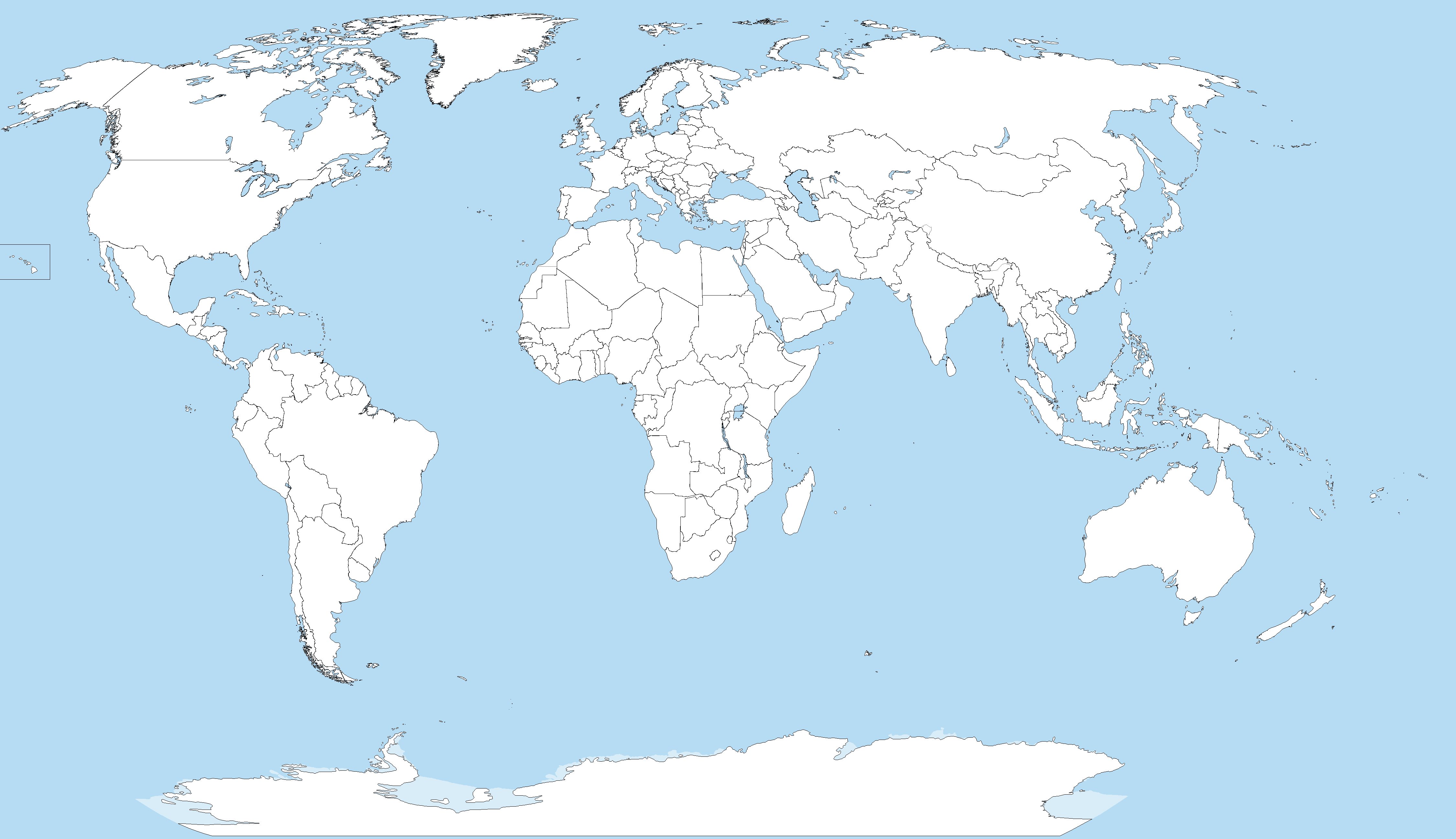
Click a red pin to see cryptids from that country.

What Are Some Famous Cryptids Worldwide?

Argentina

Lobizón
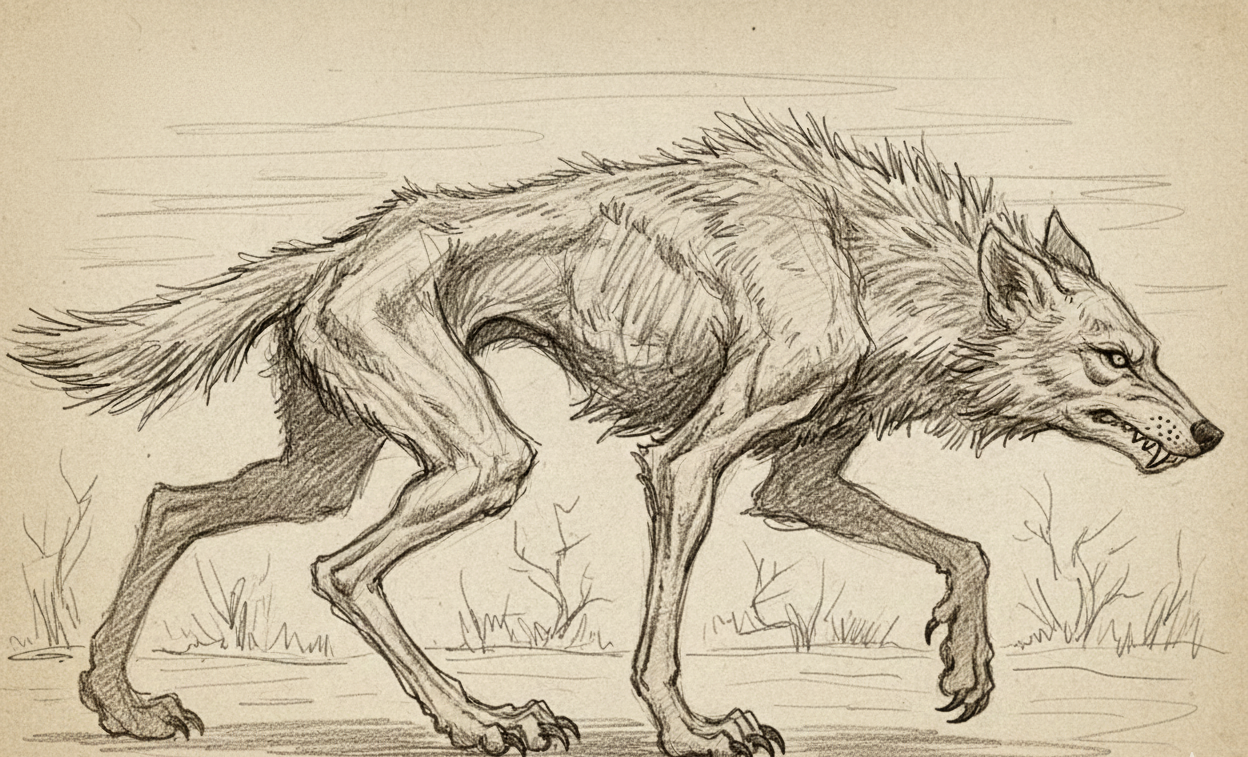
Lobizón is a famous werewolf-like cryptid from Argentina and several other regions of South America, and it plays a major role in rural folklore. Witnesses describe it as a terrifying creature with glowing eyes, sharp teeth, and a body that resembles a large, feral wolf, though it is often said to stand upright like a man. The legend is strongly tied to Guaraní culture, where the Lobizón is believed to be the cursed seventh son in a family, destined to transform during full moons. In the early 1900s, the myth became so widespread that the Argentine government began officially sponsoring the seventh sons of families to prevent panic, turning a feared superstition into a unique national tradition.

Lobizon sketch image

Created with Google Gemini

Nahuelito

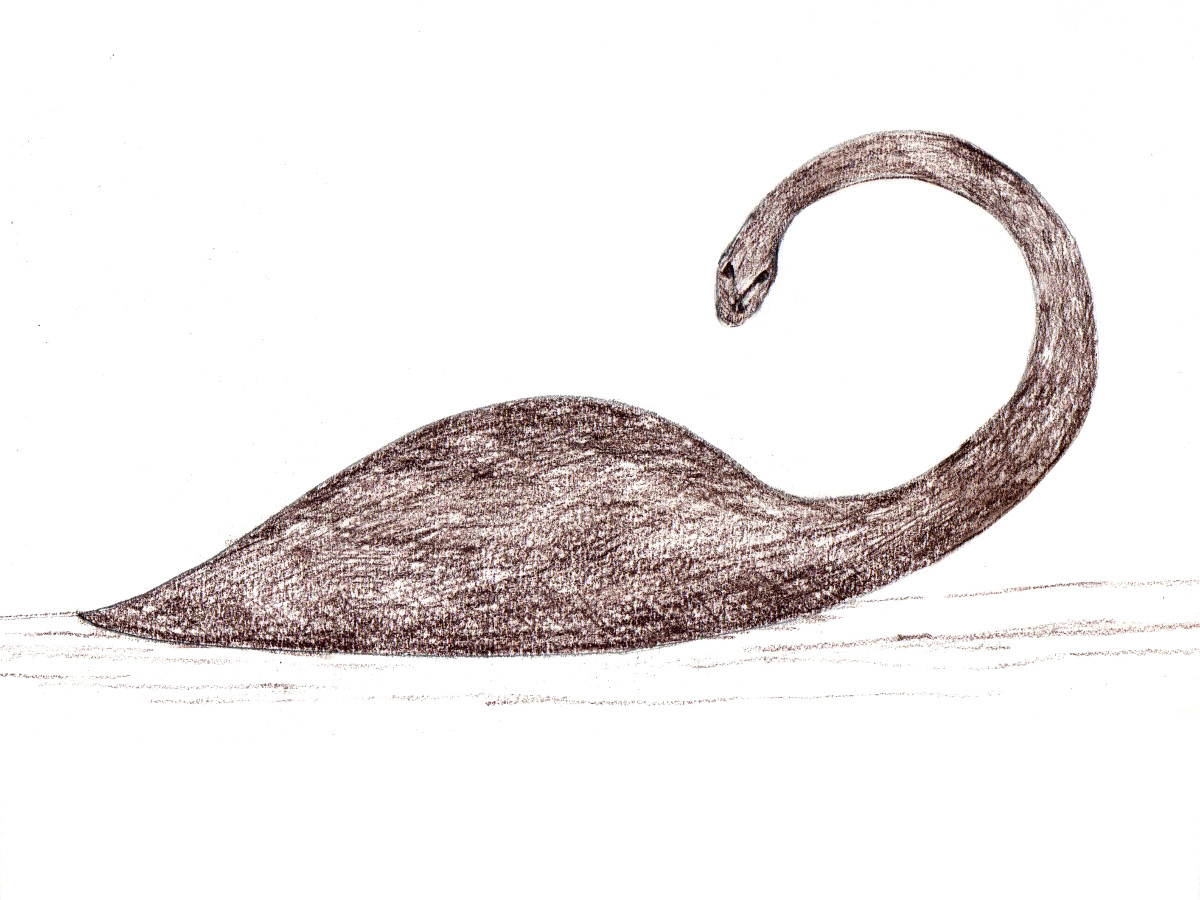
Nahuelito is a legendary lake monster said to live in Argentina’s Lake Nahuel Huapi, and it is one of the most famous cryptids in Patagonian folklore. Eyewitnesses describe it as a long, serpentine creature with a humped back, and some reports claim it can reach more than 15 meters in length. It is deeply rooted in both Argentine and Mapuche culture, and has been part of local stories for more than a century, combining indigenous legends with modern sightings. In the 1920s, an Argentine newspaper once offered a cash reward for anyone who could capture Nahuelito alive, which kept the mystery thriving for decades.

Nahuelito artistic_rendition in colored pencil

Wikimedia Commons – Nahuelito 

Ucumar
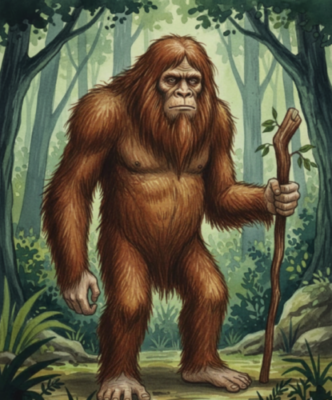
Ucumar is a well-known cryptid from the mountainous regions of northern Argentina, and it is often described as a kind of South American “ape-man” rooted in Andean folklore. People who claim to have seen it say it looks like a short but powerfully built creature covered in thick black hair, with long arms, clawed hands, and a face that resembles both a bear and a human. The legend is especially strong in the Salta and Jujuy provinces, where Indigenous Quechua communities have passed down stories of the Ucumar for generations and often describe it as a guardian of the mountains. In the 1950s, reports became so frequent that local police allegedly organized nighttime searches for the creature, turning Ucumar into one of Argentina’s most talked-about cryptid mysteries.

Created with Google Gemini

Australia

Bunyip

The Bunyip is one of Australia’s most famous cryptids, and it comes from Aboriginal folklore that has been shared for hundreds of years across many different regions. People who describe the creature say it has a strange mix of features, such as a long neck, a dog-like face, flippers, and a body covered in dark, slick fur, and some accounts claim it lurks in swamps, billabongs, and riverbeds. The legend holds an important place in Indigenous Australian culture, where the Bunyip is often seen as a warning to stay away from dangerous waters and respect sacred natural spaces. Early Australian newspapers printed dozens of Bunyip sighting reports in the 1840s, making it one of the first cryptids to stir nationwide media attention in the country’s history.
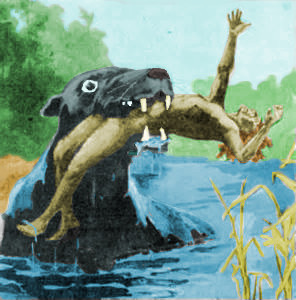
Wikimedia Commons – Bunyip

Drop Bear
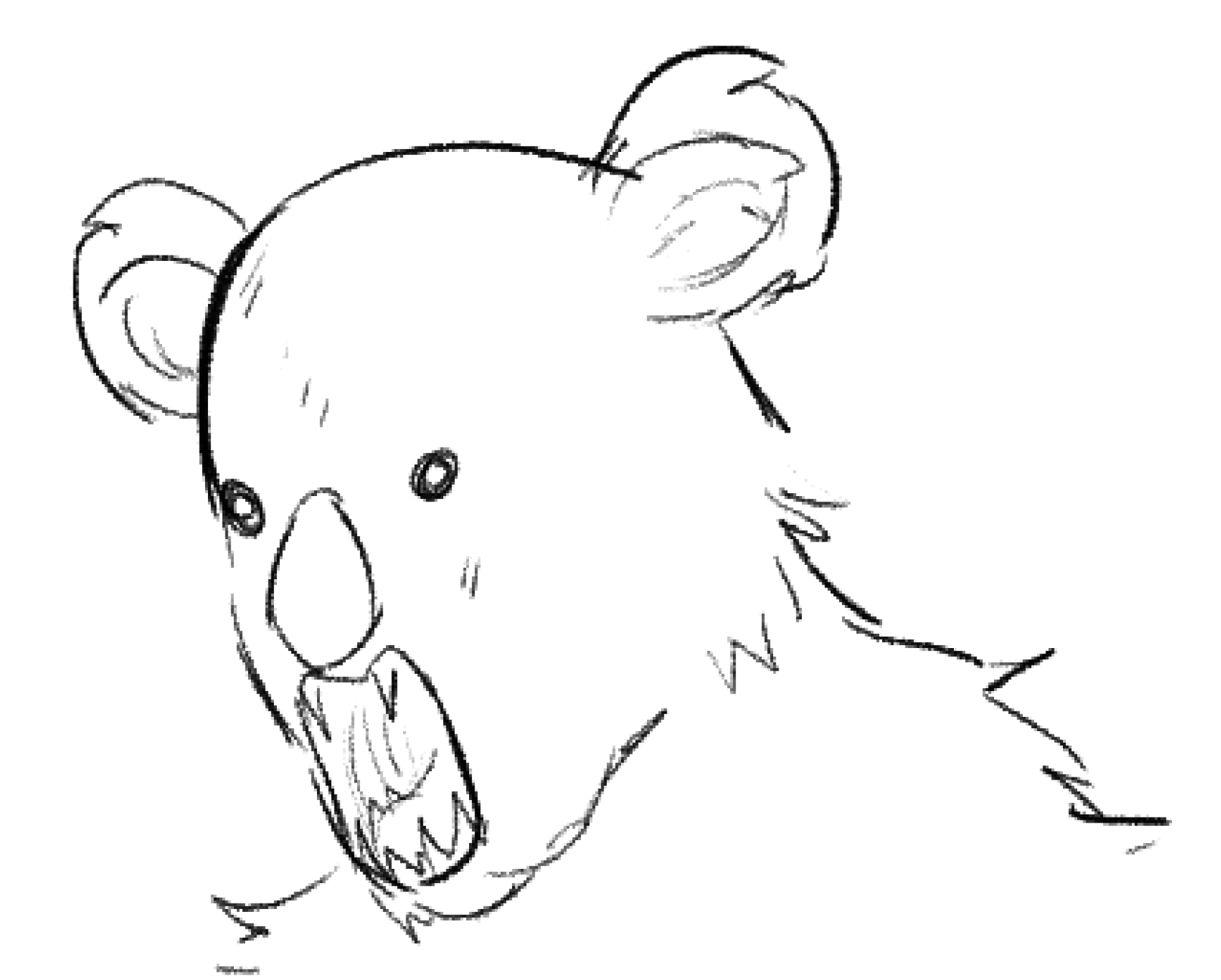
The Drop Bear is a famous Australian cryptid often described in modern folklore as a larger, fiercer version of a koala that supposedly drops from trees onto unsuspecting travelers. Descriptions usually say it has sharp claws, a powerful jaw, and a stocky body covered in thick fur, giving it a surprisingly intimidating look for a creature that resembles a beloved native animal. Although the legend is not part of traditional Aboriginal culture, it has become a huge part of Australian humor and outdoor storytelling, especially as a way to spook tourists and inexperienced hikers. Even major institutions, including the Australian Museum, have published tongue-in-cheek “official” entries for the Drop Bear, helping cement its status as one of the world’s most successful pranks in all the cryptids around the world.

Wikimedia Commons – Drop Bear

Yowie

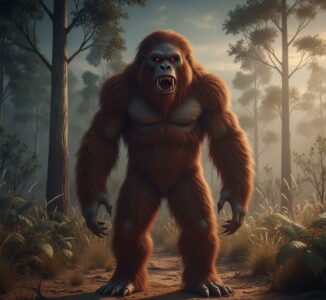
The Yowie is one of Australia’s most well-known cryptids, and it appears in legends as a large, human-like creature said to roam the country’s remote forests and mountains. Witnesses typically describe it as a towering, muscular figure covered in shaggy hair, with long arms, huge footprints, and a powerful build similar to Bigfoot. It holds deep cultural significance in many Indigenous Australian stories, where it is portrayed as a guardian of the land or a warning against traveling alone in dangerous wilderness areas. Some early Australian towns once held “Yowie hunts,” complete with rewards offered for proof of the creature, which helped fuel the legend’s fame in the late 19th century.

Created with Google Gemini

Bhutan

Migoi
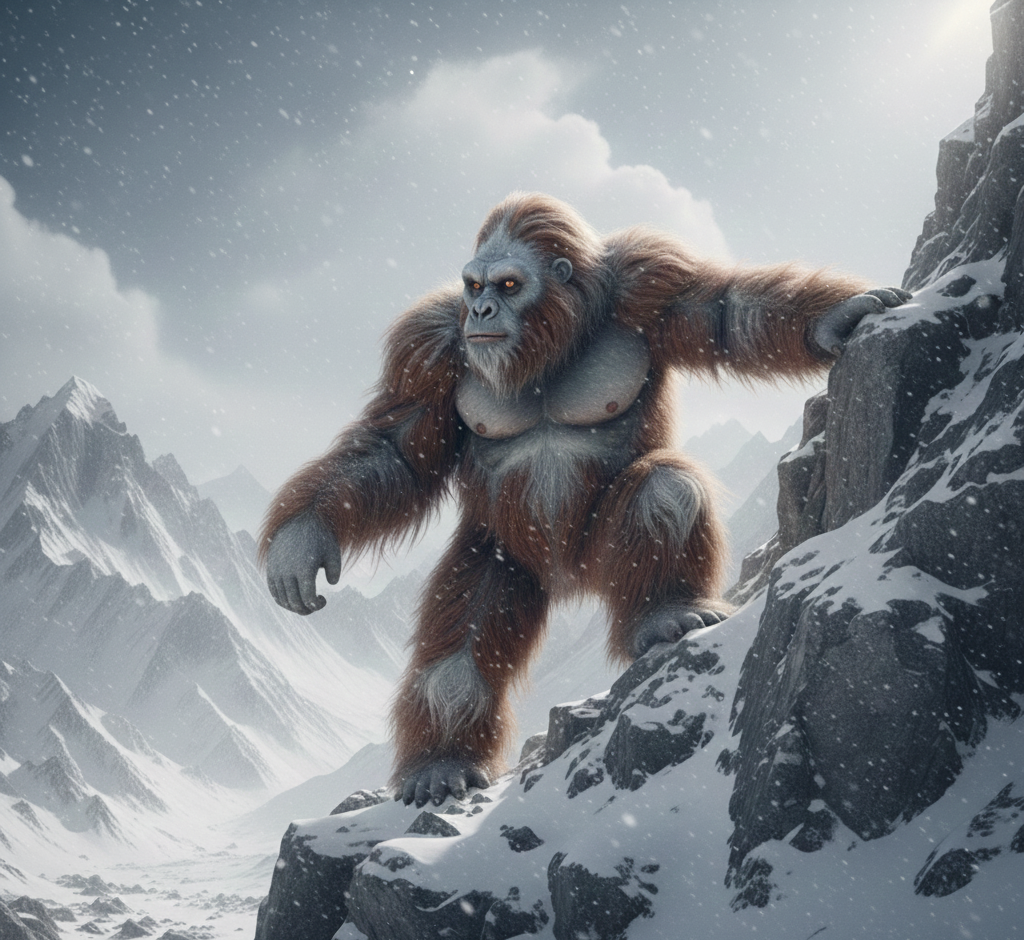
The Migoi is a well-known cryptid from Bhutanese folklore, and it is often described as a type of Yeti that lives high in the Himalayas. People who report seeing it describe a tall, broad-shouldered creature covered in thick reddish-brown hair, with large footprints and an ability to move quickly across steep, icy terrain. In Bhutanese culture, the Migoi is considered a powerful mountain spirit and is respected as a guardian of the wilderness, which is why many communities believe it should never be disturbed. Parts of Bhutan’s Sakteng Wildlife Sanctuary are officially designated as protected habitat specifically for the Migoi, making it one of the only cryptids in the world with its own conservation area.

Created with Google Gemini

Brazil

Boitatá
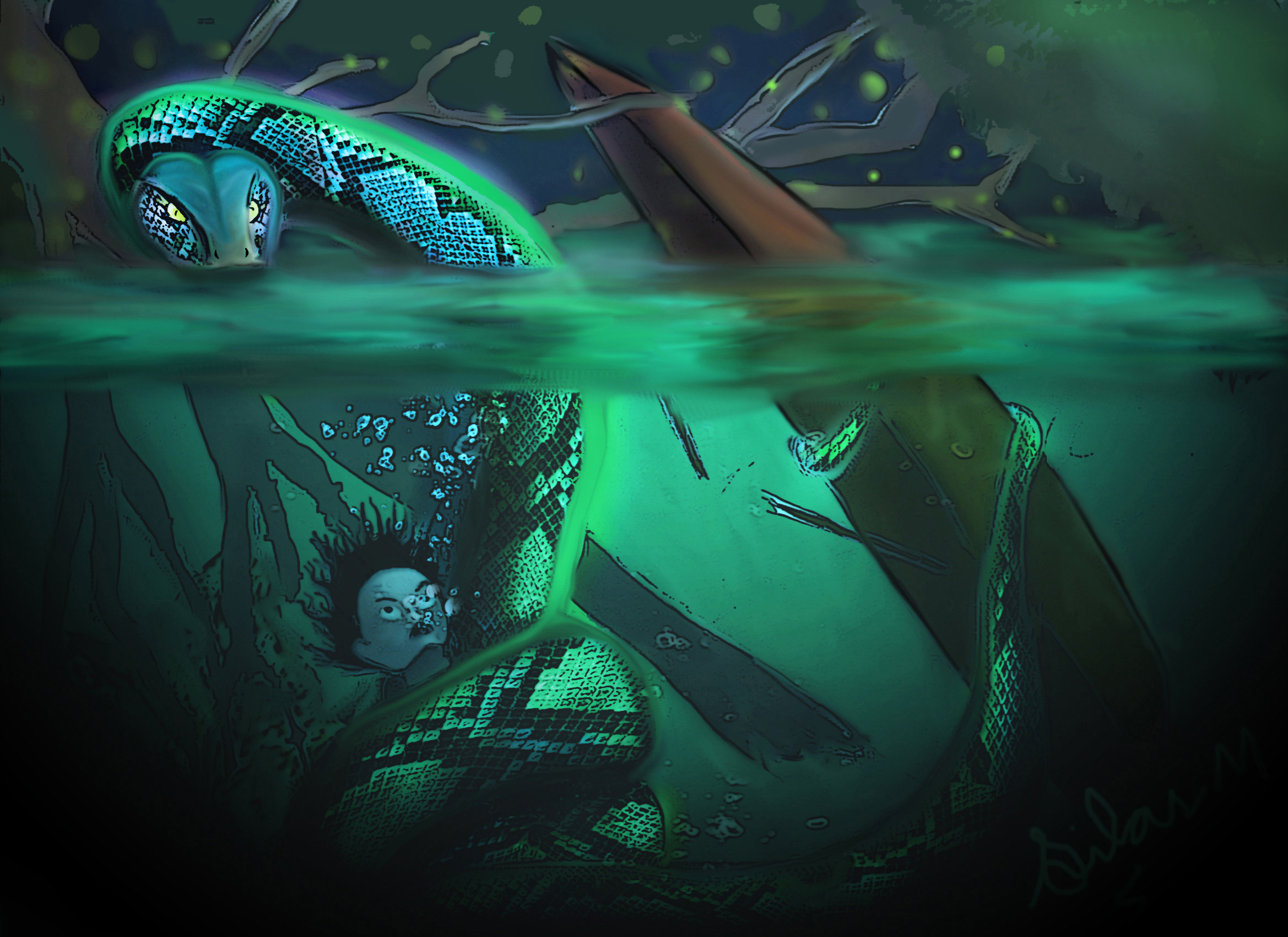
Boitatá is a legendary creature from Brazilian folklore, and it is often described as a giant, fiery serpent that protects the forests from those who would cause harm. Witnesses say it appears as a glowing, snake-like being with blazing eyes and scales that shine like fire, able to move quickly through the jungle at night. The legend is deeply rooted in Indigenous Tupi-Guarani culture, where Boitatá is considered a guardian spirit of the land and a warning against carelessly destroying nature. Some stories suggest Boitatá may be linked to ancient volcanic or forest fires, blending natural phenomena with supernatural explanations in a way that has kept the legend alive for centuries.

Wikimedia Commons – Boitatá

Caipora

Caipora is a famous cryptid from Brazilian folklore, and it is often described as a small, mischievous forest spirit that protects the animals and trees of the jungle. Witnesses and storytellers say it appears as a dark-skinned, hairy figure that moves quickly through the forest, sometimes riding a small animal, and is known for playing tricks on hunters who disrespect nature. Rooted in Tupi-Guarani culture, Caipora is considered a guardian of the forest and serves as a reminder to treat the natural world with care and respect. In some regions, people leave food offerings in the forest to appease Caipora and avoid being led astray, showing how folklore has influenced real-world customs.
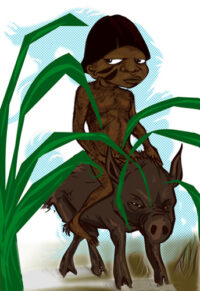
Wikimedia Commons – Caipora

Mapinguari
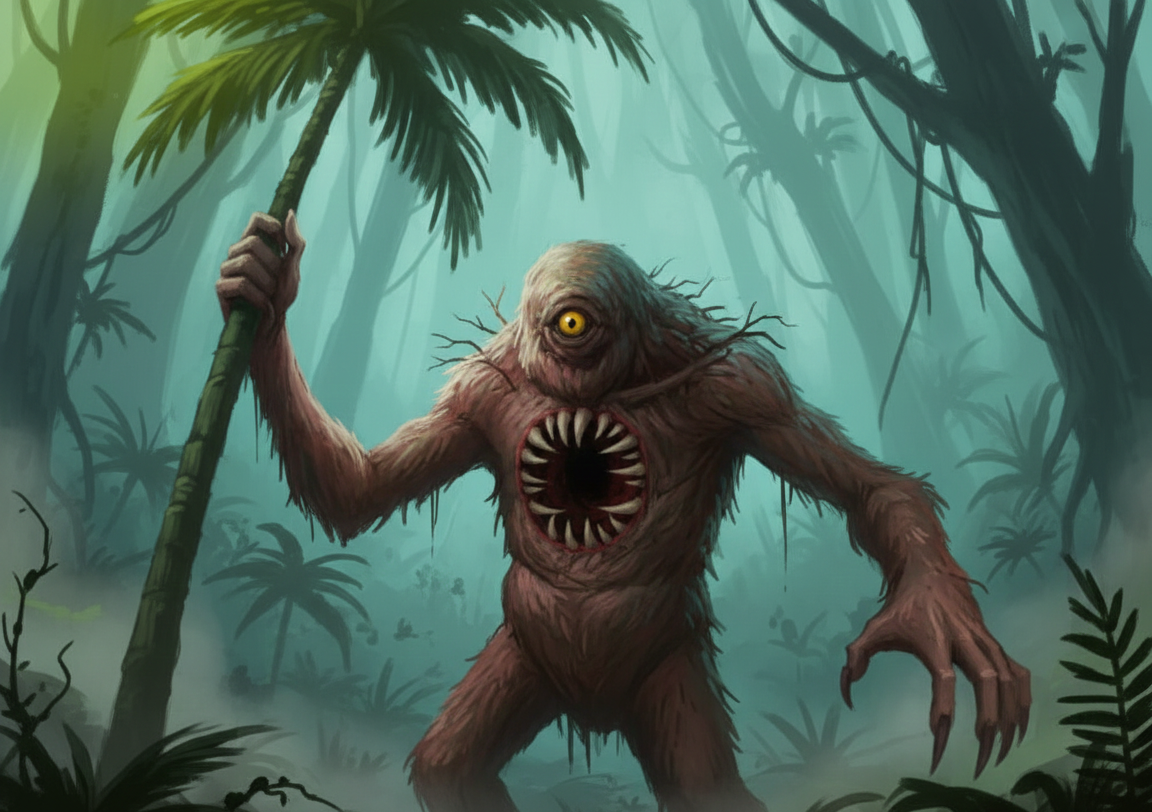
Mapinguari is a legendary cryptid from the Amazon rainforest in Brazil, and it is often described as a massive, ape-like creature covered in long, shaggy hair with a foul smell and a single large eye or mouth in the center of its body. Witnesses claim it stands upright like a human, has long claws, and emits terrifying roars that echo through the jungle, making it one of the most feared creatures in Amazonian folklore. The legend comes from Indigenous peoples of the region, particularly the Tupi and Guarani, who viewed Mapinguari as both a guardian of the forest and a warning to protect the rainforest from harm. An especially intriguing fact is that some cryptozoologists believe Mapinguari stories may have been inspired by sightings of giant ground sloths that once roamed South America, connecting the legend to prehistoric creatures.

Created with Google Gemini

Canada

Cadborosaurus
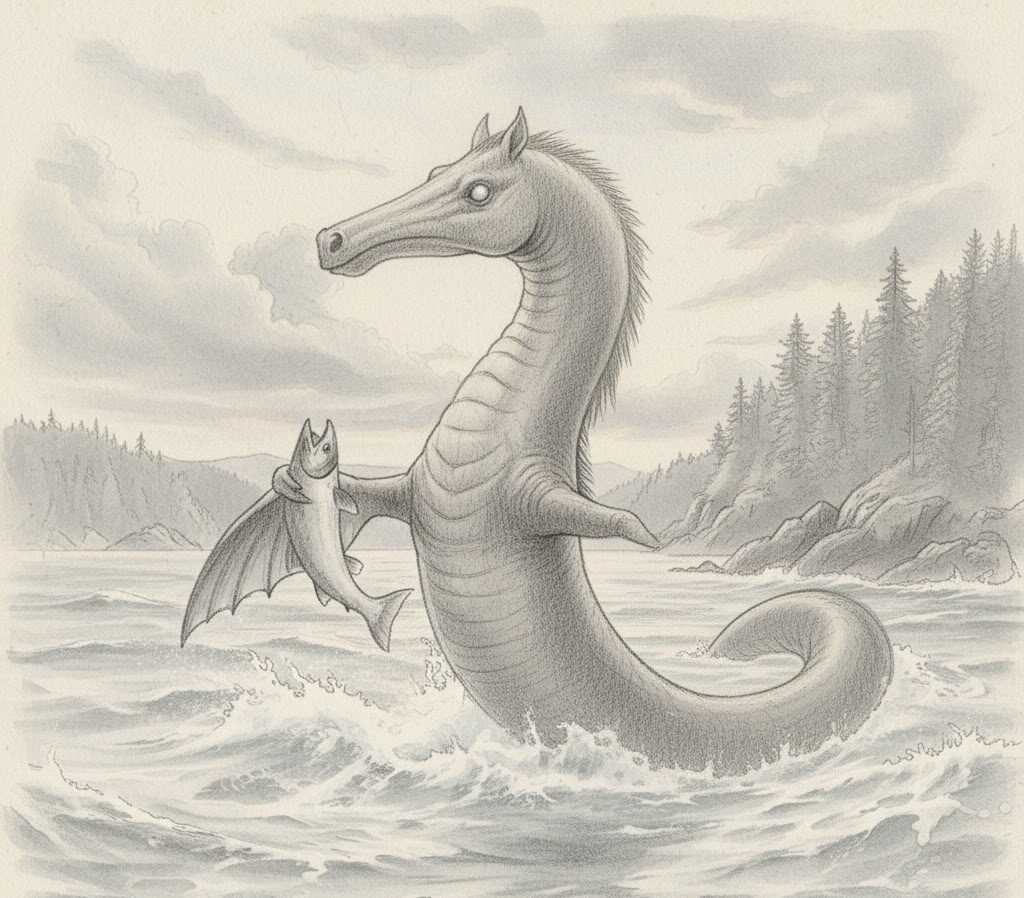
Cadborosaurus, often called “Caddy” by locals, is a mysterious sea serpent said to inhabit the coastal waters of British Columbia in Canada. Witnesses describe it as a long, snake-like creature with a horse-like head, humps along its back, and smooth, dark skin that glistens in the water, sometimes reaching impressive lengths. The cryptid has been part of Indigenous Coast Salish and Nuu-chah-nulth legends for generations, where it is considered a powerful water spirit and sometimes a harbinger of danger. Reported sightings of Cadborosaurus date back to the 18th century, and locals have even claimed to find shed skin and bones, adding to the enduring mystery of this elusive sea serpent.

Created with Google Gemini

Qalupalik

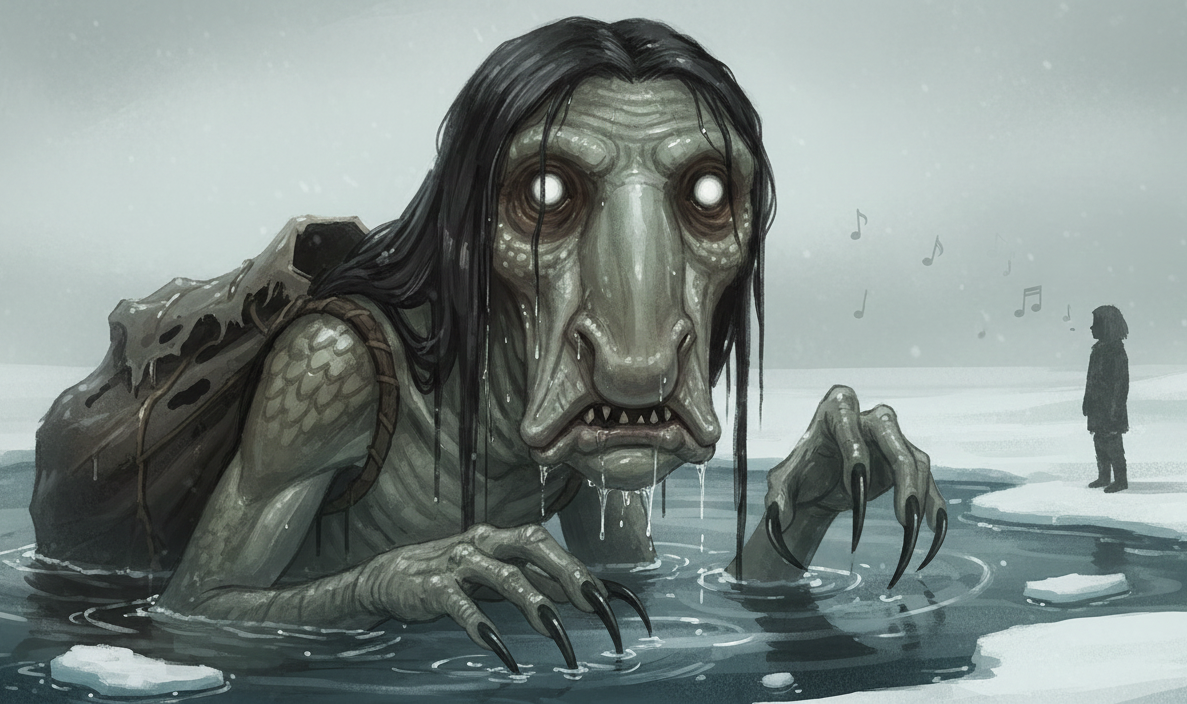
Qalupalik is a fearsome cryptid from Inuit folklore in Canada, said to live beneath the icy waters of the Arctic and snatch children who stray too close to the shore. Witnesses describe it as a humanoid creature with greenish skin, long hair, sharp claws, and a terrifying gaze that can paralyze its victims. The legend is deeply rooted in Inuit culture, where Qalupalik serves as a cautionary figure to teach children the dangers of wandering near cold, treacherous waters. Inuit elders claim Qalupalik can even leave its watery home to stalk snowy landscapes, making it one of the few aquatic cryptids around the world said to be able to travel on land as well.

Created with Google Gemini

Chile

Alicanto
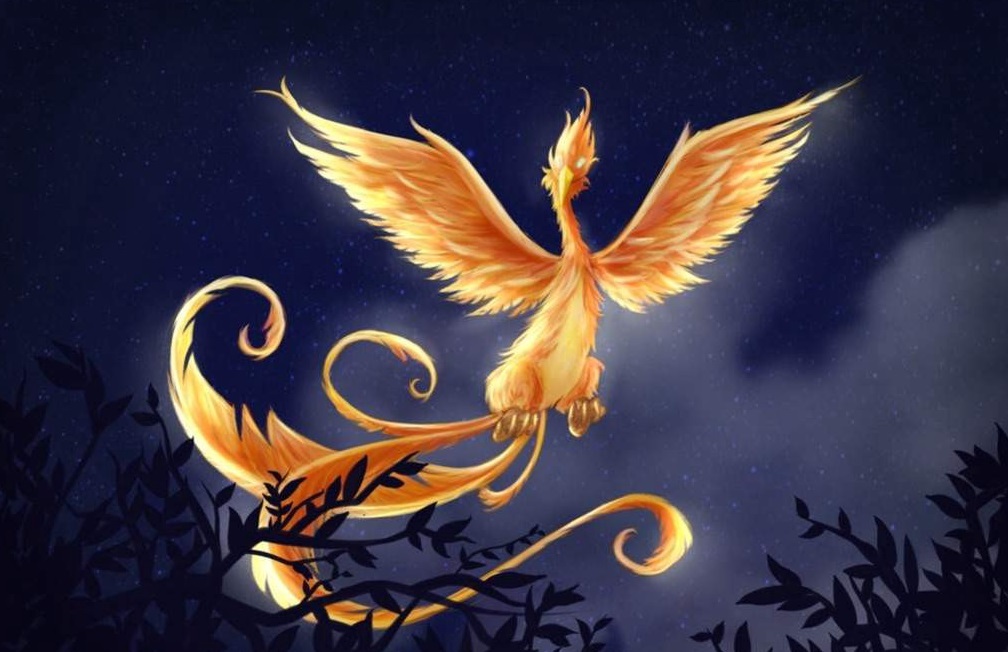
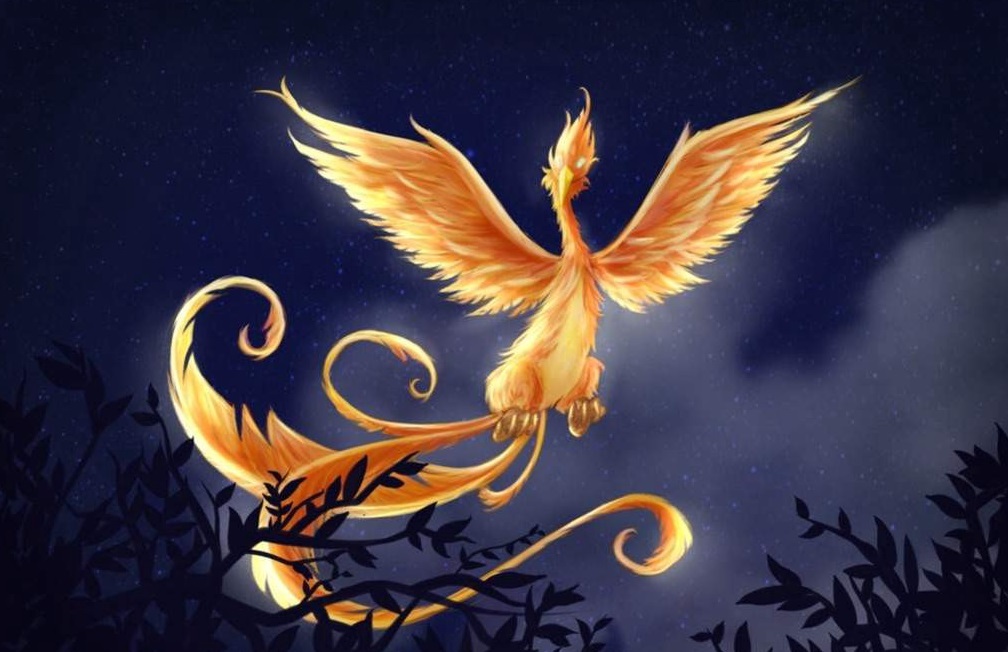
The Alicanto is a shimmering cryptid from Chilean folklore, especially tied to the desert regions of Atacama, where it is said to guide or mislead miners searching for precious metals. It is described as a bird-like creature with glowing feathers that shine in different colors depending on the minerals it has eaten, and witnesses say it moves silently through the night on powerful wings. In local culture, the Alicanto is both a symbol of fortune and danger, since following it can lead someone to hidden riches or into deadly terrain. According to legend, the bird is unable to fly if it overeats gold or silver, which has led some miners to believe that finding a grounded Alicanto means treasure is nearby.

Wikipedia – Alicanto

Chonchón

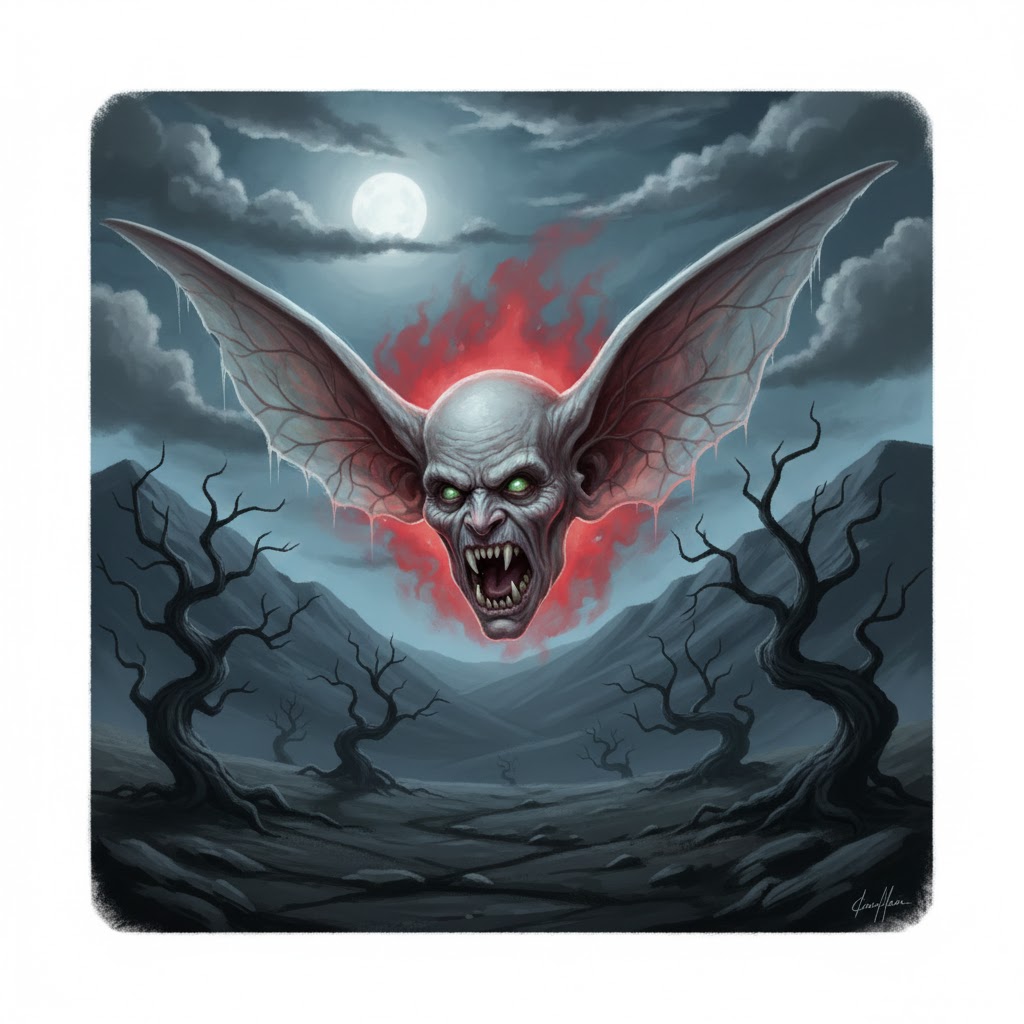
The Chonchón is a chilling cryptid from Chilean and Mapuche folklore, described as a disembodied head that sprouts large wings from its ears and flies through the night. People who claim to have heard or seen it say it emits a haunting cry and moves quickly across the sky, often appearing as a dark shape with glowing eyes. In traditional Mapuche culture, the Chonchón is believed to be connected to powerful sorcerers, who are said to transform into the creature to travel secretly under the cover of darkness. Some stories even claim that the presence of a Chonchón is an omen of misfortune, making it one of the most feared figures in South American folklore.

Created with Google Gemini

El Cuero

El Cuero is a terrifying aquatic cryptid from Chilean and Mapuche folklore, often described as a flat, manta-like creature that lurks in lakes and rivers waiting for unsuspecting prey. Witnesses say it has a smooth, leathery back, a long tail, sharp hooked claws, and eyes positioned on the edges of its body, giving it an eerie, almost alien appearance. In Mapuche culture, El Cuero is known as a dangerous water spirit that drags animals or people beneath the surface, which is why many communities warn children to stay away from still or murky waters. The creature is said to blend into the water by lying motionless at the surface, making it difficult to distinguish from a harmless piece of drift or hide.

MixGI on DeviantArt – El Cuero

China

Jiangshi
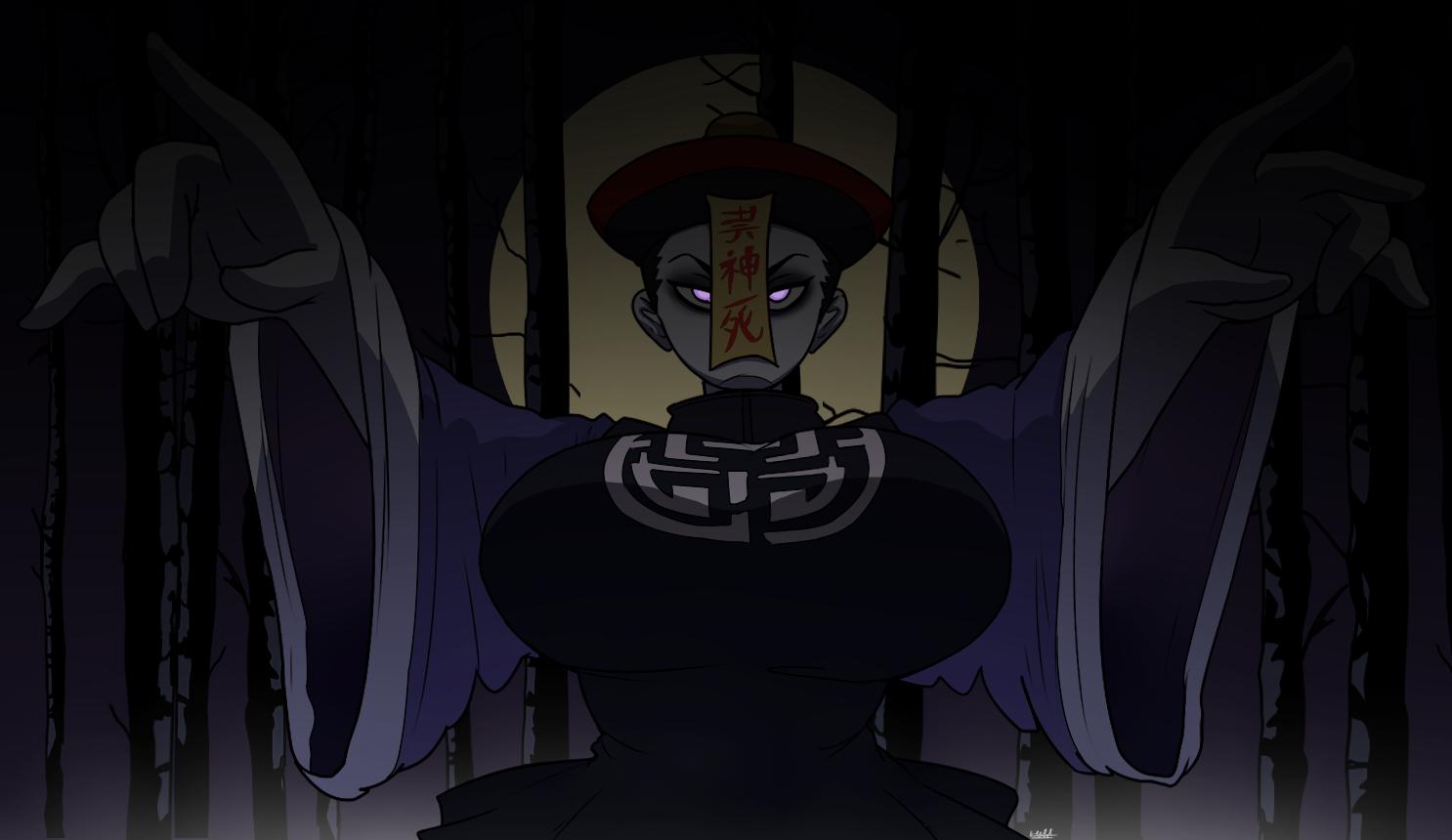
The Jiangshi is a famous cryptid from Chinese folklore, often described as a reanimated corpse that moves by hopping with its arms outstretched. People who claim to have seen or depicted it say it has pale or greenish skin, stiff limbs, long nails, and a paper talisman on its forehead that seals its spirit. In traditional Chinese culture, the Jiangshi represents the dangers of unrested spirits and improper burials, and it appears in countless stories meant to teach respect for ancestors and funeral rituals. It is also strongly associated with Qing-era clothing and customs, which is why depictions of Jiangshi often feature long robes and an appearance rooted in historical Chinese superstition.

HellOnEarth-II on DeviantArt – Jiangshi

Nian
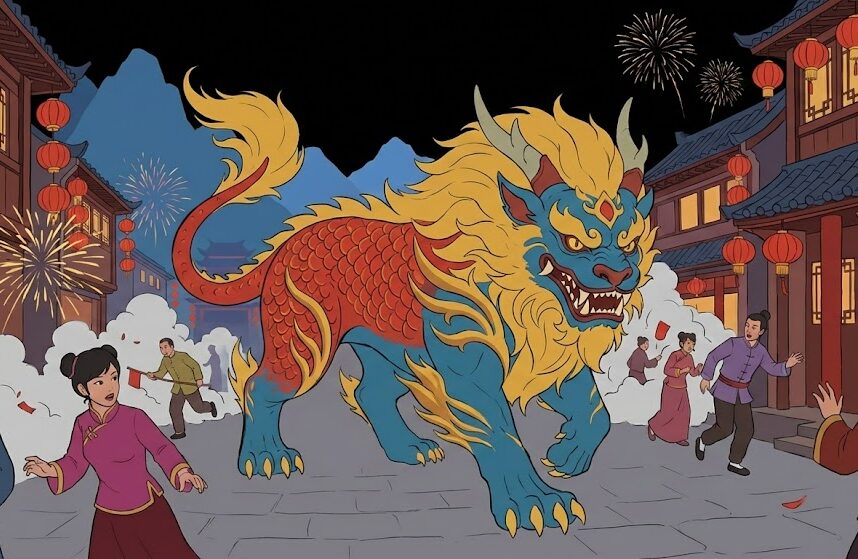
The Nian is a legendary beast from Chinese folklore, often described as a large, lion-like creature with sharp horns, powerful jaws, and a fearsome roar that echoes through the mountains. Stories say it emerges once a year to hunt livestock and frighten villages, especially during the darkest days of winter. In traditional Chinese culture, the Nian is closely tied to the origins of Lunar New Year celebrations, since people used firecrackers, loud noises, and the color red to scare it away. Its story continues to influence modern festivities, with lion dances and bright decorations symbolizing the community’s victory over the creature.

Created with Google Gemini

Colombia

Mohan
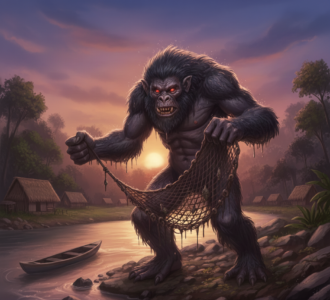
The Mohan is a mysterious cryptid from Colombian folklore, often described as a wild, human-like figure with long tangled hair, glowing eyes, and a rugged, muscular body that roams rivers and dense forests. People who claim to encounter it say it lures travelers or fishermen with strange sounds, sometimes appearing at dusk near the water’s edge. In Indigenous and rural Colombian culture, the Mohan is seen as both a trickster and a protector of nature, warning people not to disrespect the river or exploit the land. Its legend is especially well known among communities along the Magdalena River, where stories of the creature have been passed down for generations.

Created with Google Gemini

Madremonte
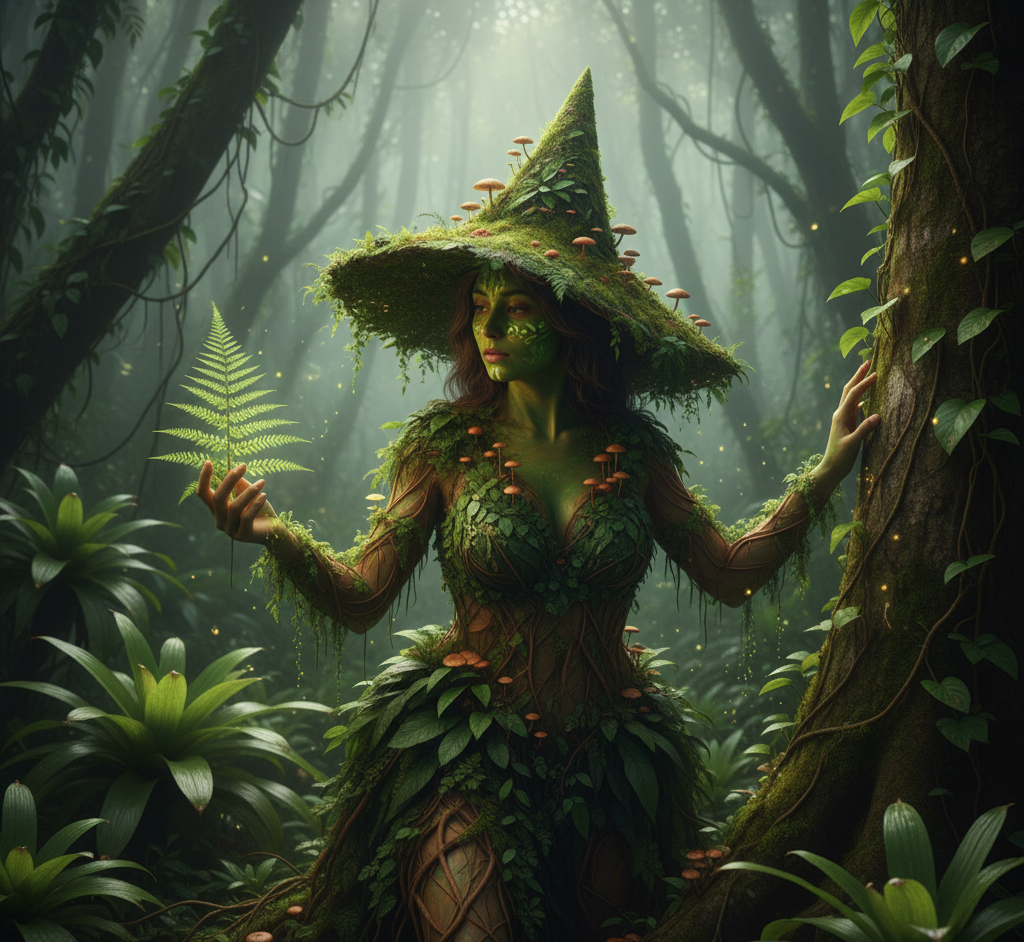
The Madremonte is a powerful cryptid from Colombian folklore, often described as a towering, forest-dwelling woman covered in vines, leaves, and moss that blend her perfectly into the jungle. People say she has glowing eyes, wild hair made of branches, and a booming voice that echoes through the mountains during storms. In Colombian culture, the Madremonte is viewed as the fierce guardian of the wilderness, punishing those who destroy the land or wander too far into forbidden territory. Her legend is especially strong in rural areas, where farmers and travelers tell stories of getting lost after hearing her call, a reminder of the deep respect the forest demands.

Created with Google Gemini

Congo/DRC

Mokele-Mbembe
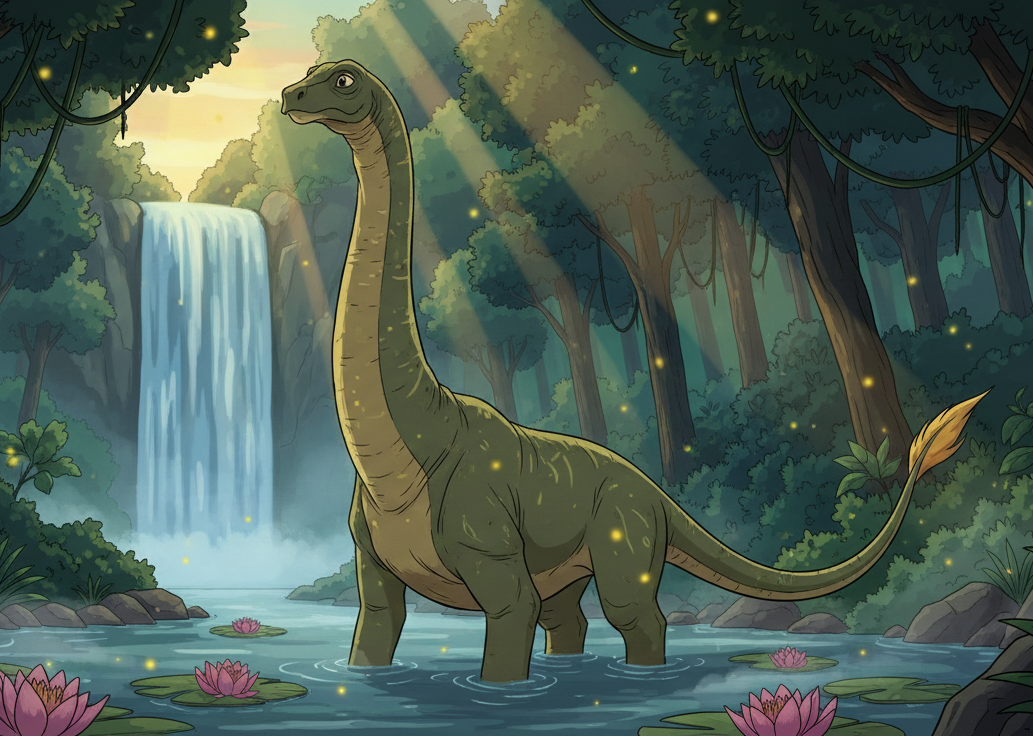
Mokele-Mbembe is a famous cryptid from the Congo River Basin, often described as a large, dinosaur-like creature with a long neck, a thick tail, and a bulky body similar to a sauropod. People who claim to have seen it say it moves quietly through swamps and rivers, leaving behind huge tracks and ripples that vanish quickly in the dense, humid jungle. In Central African folklore, it is considered a powerful and mysterious animal that guards remote waterways and should be avoided out of respect. The cryptid has attracted explorers and researchers for more than a century, making it one of the most sought-after cryptids in African cryptozoology.

Created with Google Gemini

Elema-Ntouka
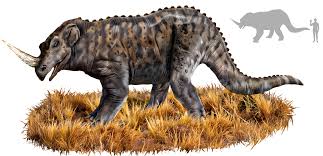
The Emela-Ntouka is a fearsome cryptid from the swamps and rainforests of the Congo, often described as a massive, rhinoceros-like creature with a single long horn and a powerful, muscular body built for charging through dense vegetation. People who report encounters say it has thick, grayish skin, a heavy tail, and an aggressive temperament capable of overturning boats or attacking elephants. In local folklore, the Emela-Ntouka is considered a dangerous and territorial animal, respected by many communities as a creature that rules the deepest parts of the swamp. Its reputation as a “killer of elephants” has made it one of the most legendary and mysterious creatures in Central African stories.

Wikimedia Commons – Elema-Ntouka

Costa Rica

Cadejo

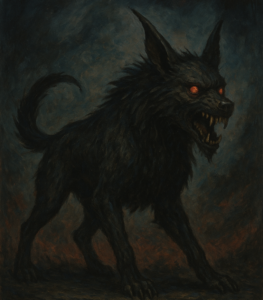
The Cadejos are well-known cryptids around the world. They come from Central American folklore, often described as a large, ghostly dog that appears in two forms: a white Cadejo that protects travelers and a black Cadejo that brings danger. People say it has glowing eyes, shaggy fur, and the ability to move silently, sometimes following people at night without leaving footprints. In many cultures across Costa Rica and neighboring regions, the Cadejo is seen as a supernatural guardian or omen, depending on which version appears. It remains one of the most widespread in Central America, with countless stories passed down about nighttime encounters on lonely roads.
Created with Google Gemini

Ethiopia

Werehyena
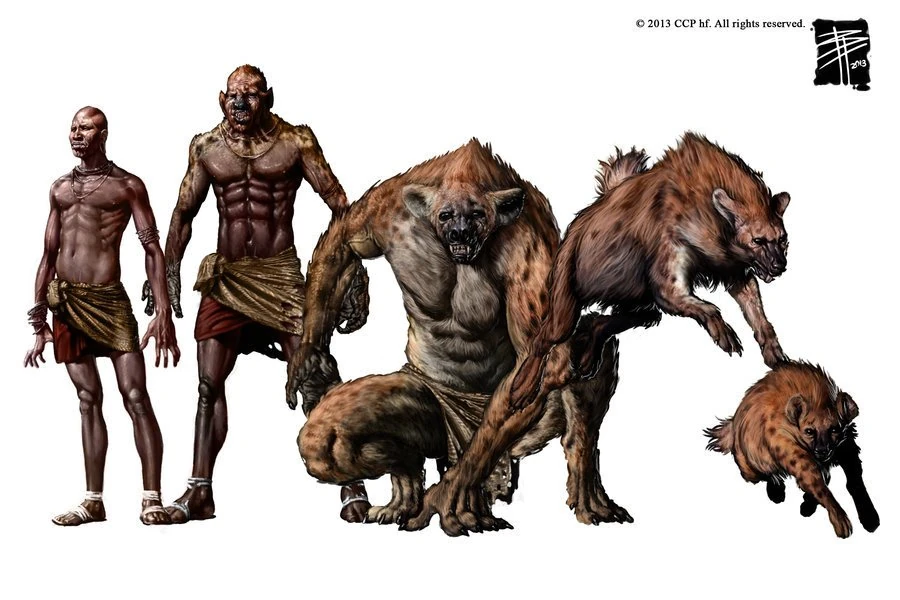
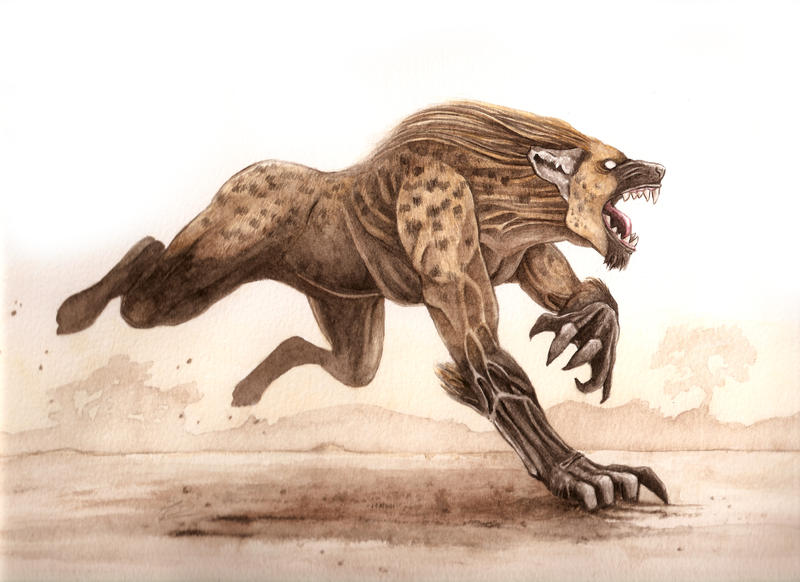
The Werehyena is a striking cryptid from East African folklore, especially in Ethiopia and surrounding regions, where it is said to be a person who transforms into a powerful hyena at night. Witnesses describe the creature as having glowing eyes, coarse fur, and an eerie, half-human gait that makes it stand out from ordinary hyenas. In local culture, the Werehyena is tied to stories of shape-shifting, magic, and punishment, often serving as a warning about wandering after dark or straying too far from the safety of the village. It’s deeply rooted in traditional beliefs, with many communities sharing tales of encounters that blur the line between human and beast.

odingraphics on DeviantArtWerehyena

France

Beast of Gévaudan

The Beast of Gévaudan is a notorious cryptid from 18th-century France, often described as a massive wolf-like creature with reddish fur, an unusually broad chest, and terrifying jaws filled with sharp teeth. Eyewitnesses claimed it attacked livestock and travelers across the rural region of Gévaudan, leaving behind a trail of fear and confusion. In French folklore, it is connected to tales of supernatural wolves, mysterious hunters, and unexplained disappearances that gripped the countryside for years. The creature became so infamous that King Louis XV sent professional hunters to track it down, turning the Beast of Gévaudan into one of the most documented monster hunts in European history.

Creative Commons – Beast of Gévaudan

Lou Carcolh

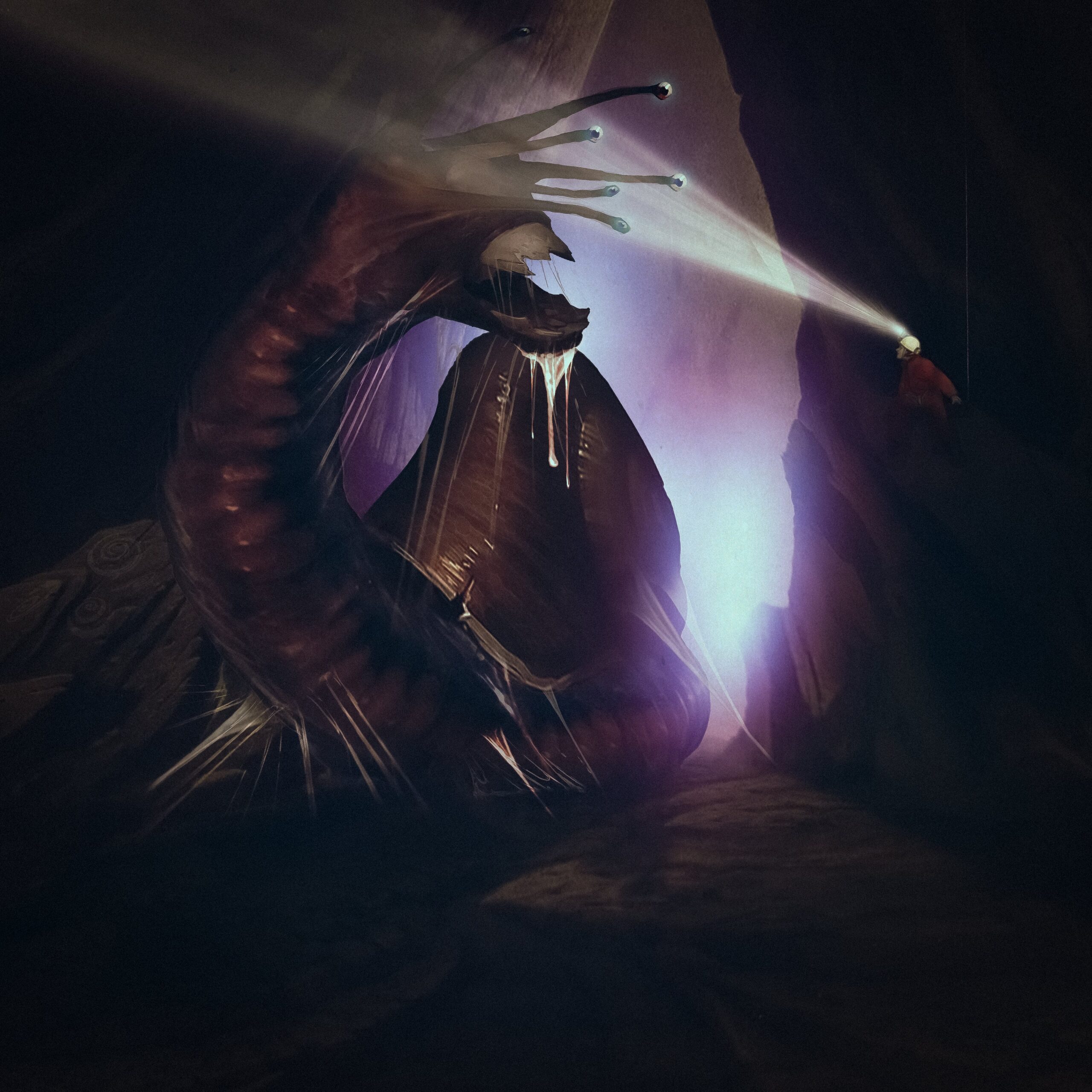
The Lou Carcolh is a bizarre and unsettling cryptid from French folklore, especially associated with the town of Hastingues in the southwest of France. It is described as a gigantic, snail-like creature with a massive shell, a long serpentine body, and slimy tentacles that can stretch far enough to capture unsuspecting travelers. In local culture, the Lou Carcolh is both a warning and a curiosity, told in stories meant to keep people away from dangerous caves and marshy areas. Its reputation grew over generations as residents shared tales of strange tracks and ooze found near old caverns, adding a sense of eerie authenticity to the creature’s story.

Wikipedia – Lou Carcolh

Tarasque

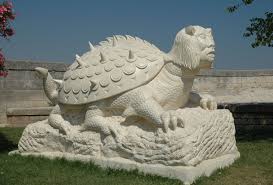
The Tarasque is a legendary cryptid from southern France, often described as a huge, dragon-like creature with a lion’s head, a turtle-like shell, six clawed legs, and a long, scaly tail. People said it could crush boats along the Rhône River and terrorize villages with its immense strength and fiery breath. In Provençal folklore, the Tarasque is deeply linked to medieval tales that blend local beliefs with early Christian storytelling, giving it an important place in regional tradition. The creature became so iconic that the town of Tarascon still celebrates it in annual festivals, complete with a large parade effigy that keeps the myth alive today.

Wikimedia Commons – Tarasque

Greece

Kallikantzaroi
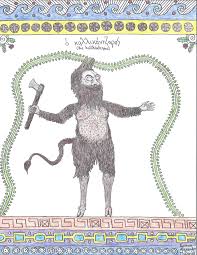
The Kallikantzaroi are mischievous cryptids from Greek folklore, often described as small, goblin-like creatures with dark skin, glowing eyes, wiry limbs, and sharp claws that help them scramble through narrow spaces. Stories say they emerge only during the Twelve Days of Christmas, causing chaos in villages by stealing food, playing tricks, and frightening anyone who wanders out at night. In Greek culture, they are seen as troublemakers rather than truly dangerous beings, and many traditions developed to keep them away, including leaving out sweets or burning certain herbs. Their playful yet chaotic nature has made them popular figures in winter storytelling, especially in rural areas where old customs are still preserved.

Wikimedia Commons – Kallikantzaroi

Lamia
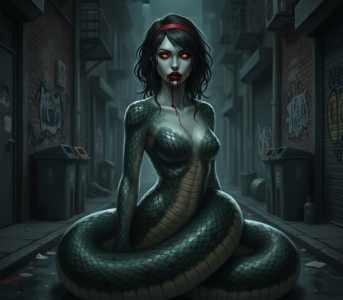
The  Lamia is a haunting figure from Greek folklore, often described as a woman with striking beauty who can transform into a serpent-like creature with sharp fangs and piercing eyes. Stories say she preys on travelers or children, using her supernatural abilities and hypnotic charm to lure victims close before revealing her monstrous form. In Greek culture, the Lamia appears in cautionary tales about temptation, danger, and the consequences of crossing the boundaries between the human world and the supernatural. Her story became so well known that ancient writers used “Lamia” as a term for any night-dwelling creature, giving her a lasting place in the list of cryptids around the world.

Created with Google Gemini

Iceland

Huldufólk

The Huldufólk are mysterious hidden people from Icelandic folklore, often described as human-like beings who live inside rocks, hills, and remote natural landscapes. Stories say they appear as tall, elegant figures who dress in old-fashioned clothing and avoid human contact unless disturbed. In Icelandic culture, the Huldufólk are respected as guardians of nature, and many traditions encourage people to treat the land carefully to avoid upsetting them. Their presence is taken seriously enough that modern road projects in Iceland have occasionally been altered to avoid areas believed to be their homes.

Wikimedia Commons – Huldufólk

Yule Cat
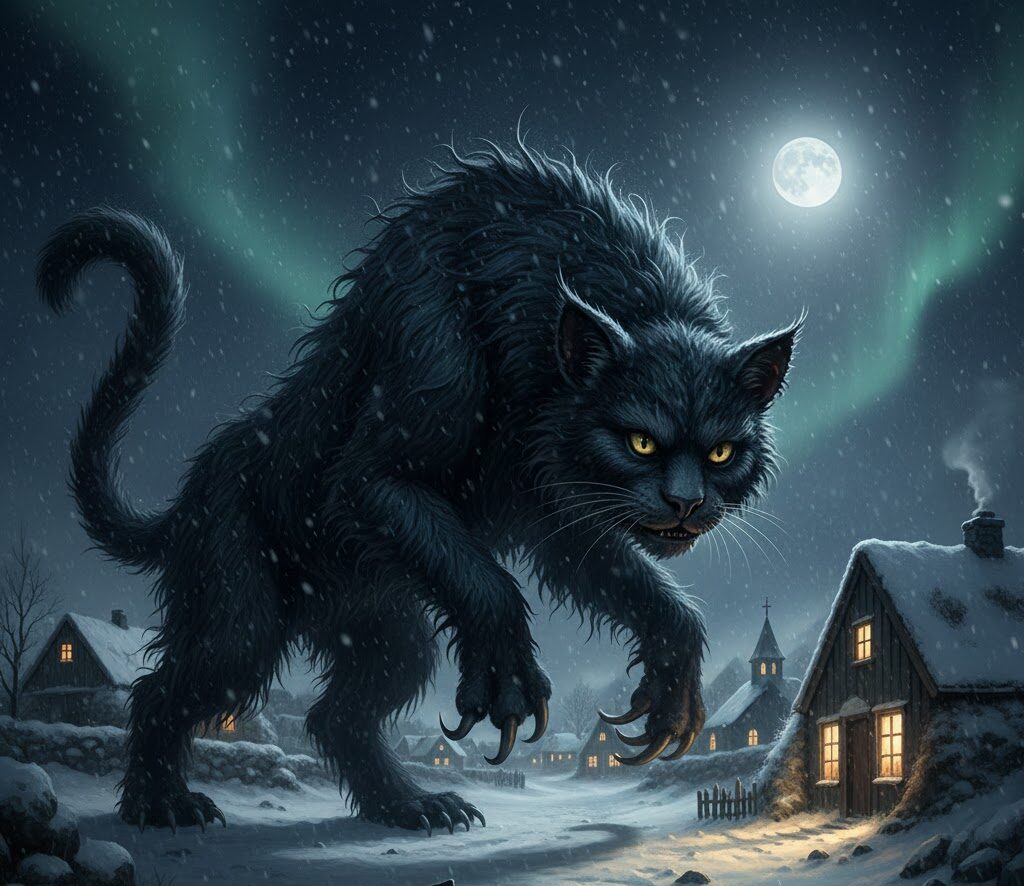
The Yule Cat is a fearsome creature from Icelandic folklore, often described as an enormous black cat with glowing eyes, towering height, and fur that bristles like needles in the winter wind. Stories say it prowls the snowy countryside during Christmas time, searching for anyone who has not received new clothes for the holiday season. In Icelandic culture, the Yule Cat is connected to tradition and hard work, encouraging people to finish their chores, especially the wool processing that was essential for winter survival. It remains one of Iceland’s most memorable holiday figures, frequently appearing in songs, art, and winter tales that blend dark humor with seasonal folklore.

Created with Google Gemini

India

Bhoot
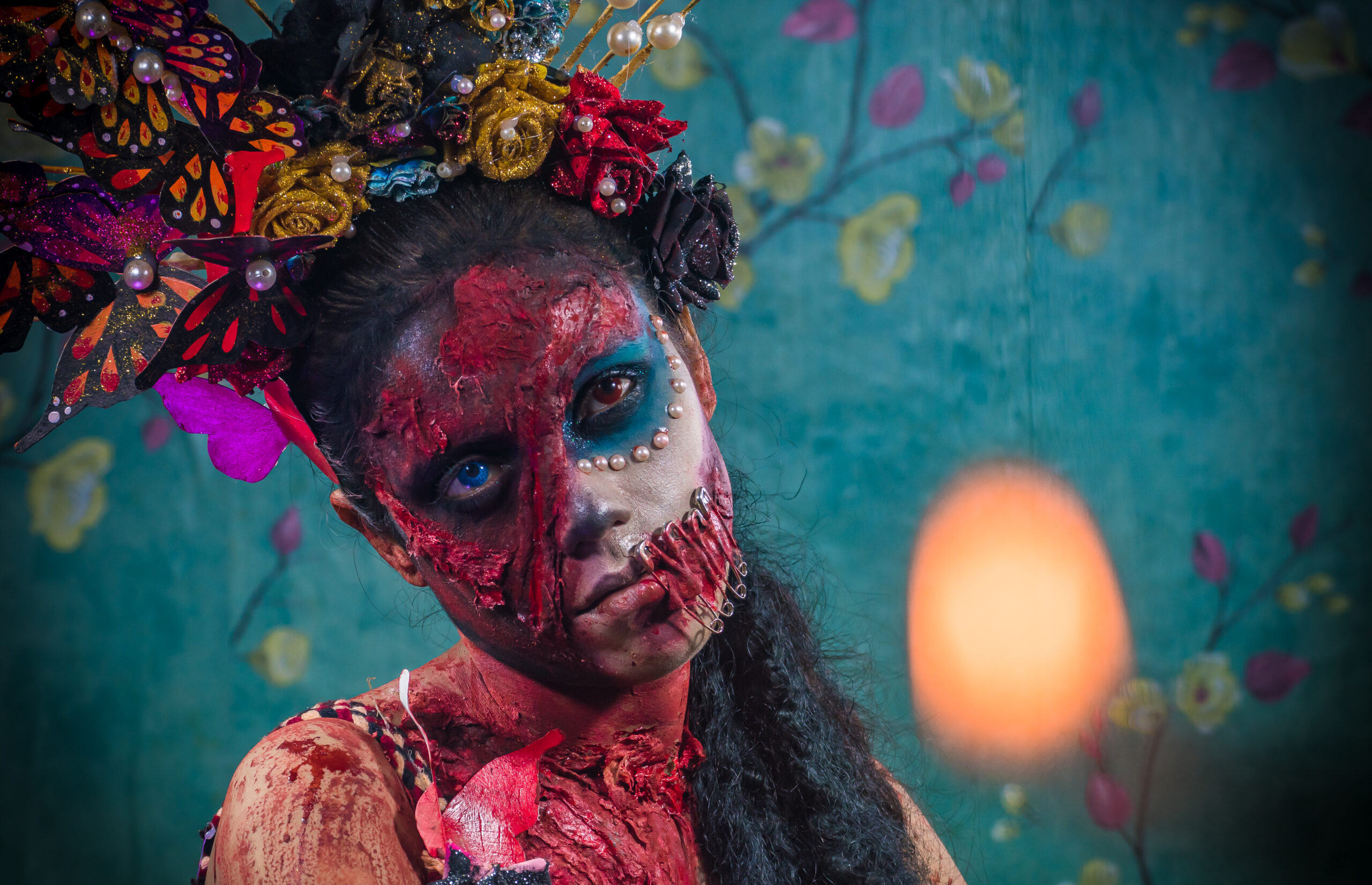
The Bhoot is a ghostly spirit from Indian folklore, often depicted as the lingering soul of someone who died with unfinished business or under tragic circumstances. Bhoots are usually described as pale, humanlike figures with backward facing feet and a subtle glow that sets them apart from the living. In many regions they are believed to haunt lonely roads, abandoned buildings, or places connected to their past lives, appearing suddenly and unsettling travelers with their eerie silence. Within local culture, the Bhoot serves as both a cautionary tale and a reminder of the importance of proper rituals, since traditional stories emphasize that respectful rites help guide spirits to peace. As a result, the Bhoot remains one of the most recognized supernatural figures across India and continues to appear in modern stories, media, and regional folklore.

Wikimedia Commons – Bhoot

Monkey Man of New Delhi
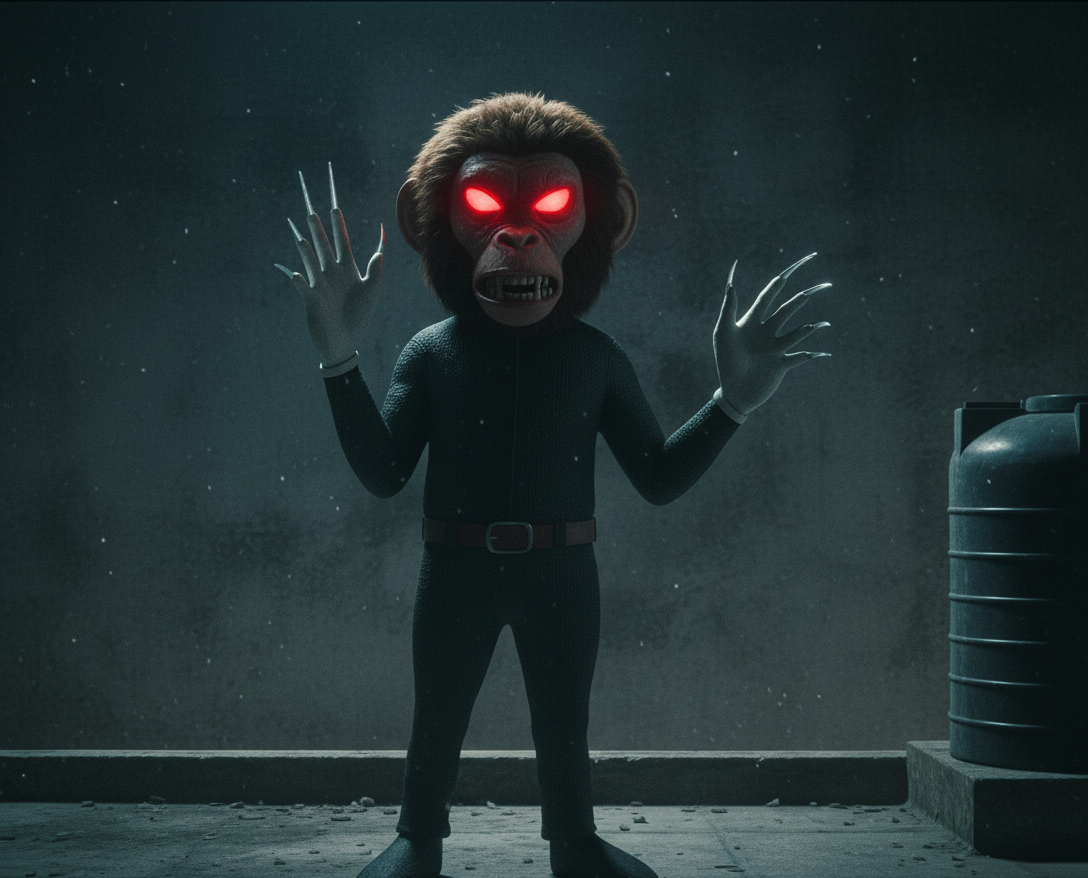
The Monkey Man of New Delhi is a modern urban cryptid from India, often described as a short, muscular creature with dark fur, glowing eyes, and the ability to leap across rooftops at incredible speed. Witnesses during the early 2000s reported sightings of a figure that seemed part human and part primate, usually appearing at night and vanishing just as quickly. In local culture, the Monkey Man became a symbol of fear and curiosity during a time of widespread rumors, with stories spreading rapidly through crowded neighborhoods. The reports became so intense that police patrols were formed to investigate, turning the mystery into one of India’s most talked about cryptid events of the decade.

Created with Google Gemini

Naga Serpent
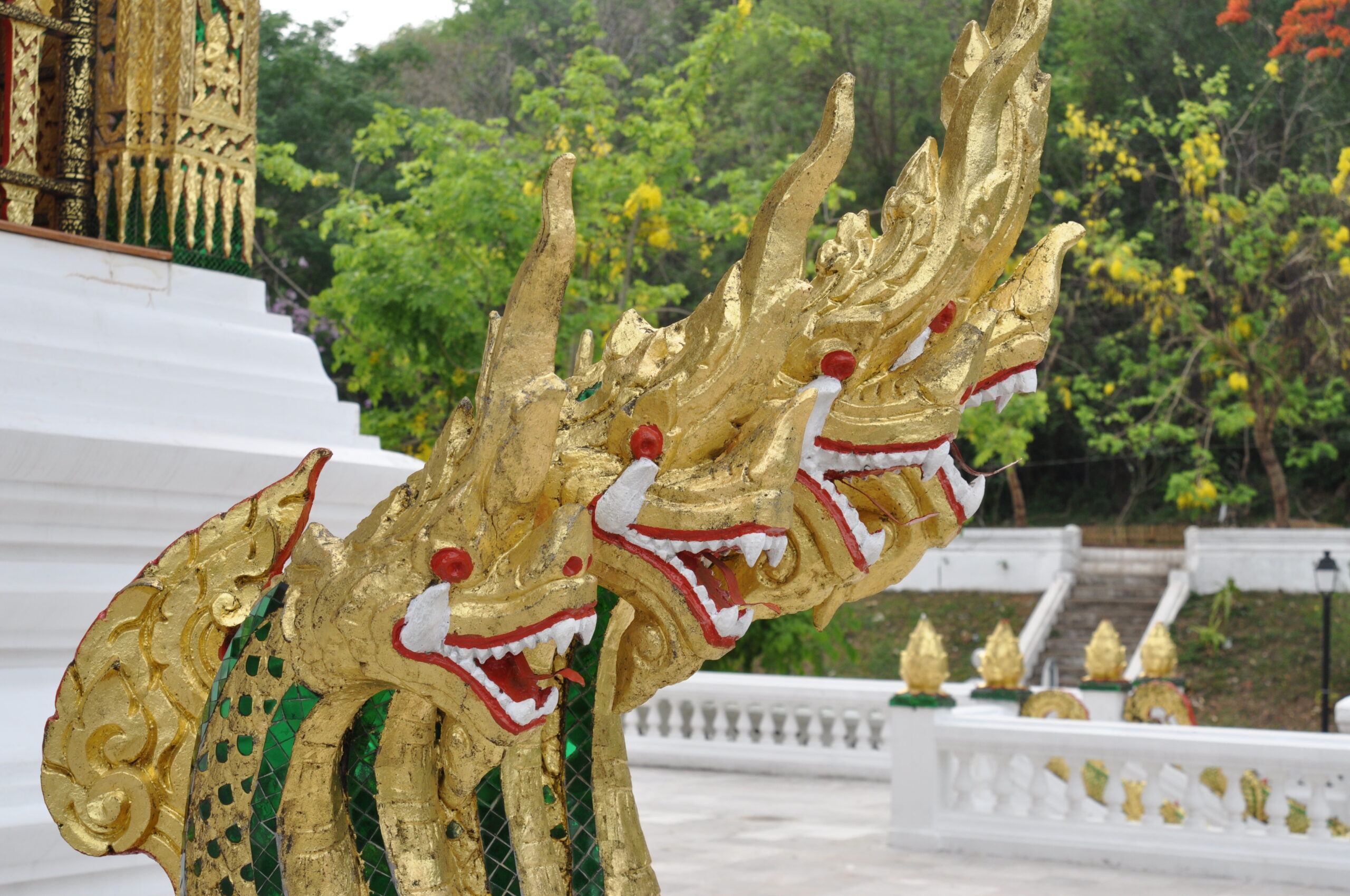
The Naga is a powerful serpent being found in South and Southeast Asian mythology, often portrayed as a massive snake with human features or an intelligent, supernatural guardian of water. Nagas are closely associated with rivers, lakes, rain, and the fertility of the land, and many traditions describe them as protectors who can bring prosperity when respected. In some stories they dwell in vast underground or underwater palaces, watching over treasures or sacred knowledge while maintaining a careful distance from the human world. Although they are capable of great wrath when angered, they are equally known for their wisdom, spiritual strength, and role as intermediaries between humans and the divine. Their enduring presence across Hindu, Buddhist, and regional folklore reflects how deeply intertwined the Naga is with cultural ideas of nature, power, and the unseen forces that shape the world.

Wikimedia Commons – Naga

Indonesia

Genderuwo
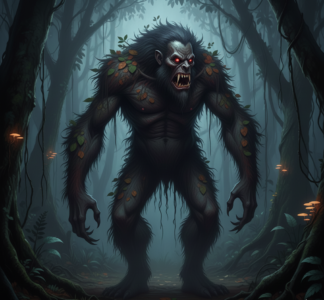
The Genderuwo is a supernatural being from Javanese folklore, typically described as a large, hairy humanoid creature with glowing red eyes and a mischievous nature. It is said to inhabit dense forests, old trees, abandoned buildings, and secluded places where the boundary between the natural and spiritual worlds feels thin. While the Genderuwo can frighten people with its heavy footsteps, booming voice, or sudden appearances, it is also known for playful tricks that range from harmless mimicry to unsettling illusions. Some tales portray it as a spirit that can change its shape or voice to interact with humans, often choosing to reveal itself only when it wishes to be noticed. Its lasting presence in Javanese storytelling highlights how communities interpret the unseen forces tied to wilderness, mystery, and the behavior of spirits that linger close to human life.

Created with Google Gemini

Wewe Gombel
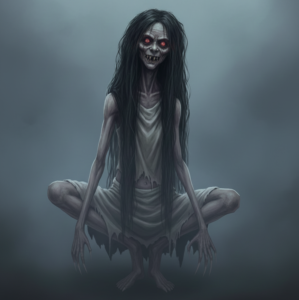
The Wewe Gombel is a spirit from Indonesian folklore, often described as a tall, ghostly woman with long hair and an eerie, unsettling presence. According to tradition, she appears at night in quiet or deserted places, especially near forests or old houses where shadows seem to deepen unnaturally. The Wewe Gombel is said to lure or carry off children, not to harm them but to protect those who are neglected or mistreated, keeping them safe until their parents learn to change their behavior. Her appearance can be frightening, yet her motives are often portrayed as rooted in sorrow and a desire for justice. Stories about the Wewe Gombel continue to reflect cultural ideas about family responsibility, nighttime fears, and the spirits believed to watch over vulnerable individuals.

Created with Google Gemini

Ireland

Banshee
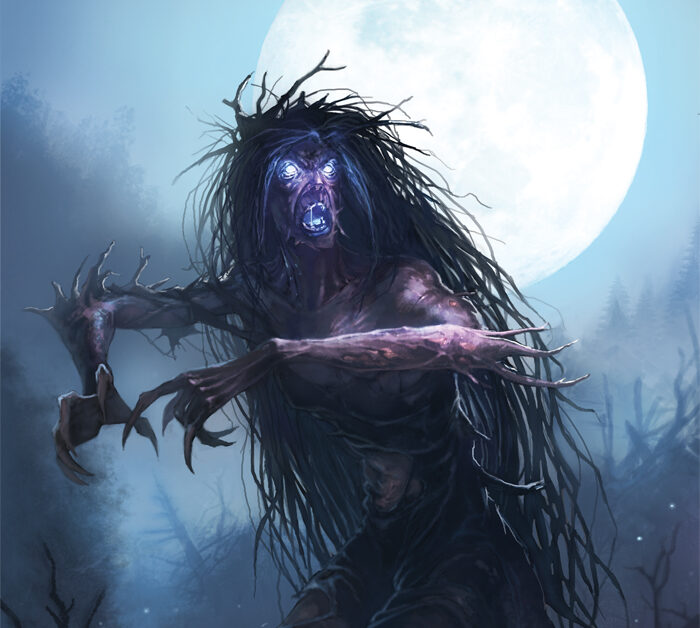
The Irish Banshee is a spectral figure from Celtic folklore, often described as a pale woman with long, flowing hair and haunting eyes who appears wrapped in a gray or white cloak. She is known for her chilling wail that foretells the death of a family member, a sound said to echo across hills and moors in the quiet of night. As a deeply rooted part of Irish cultural tradition, the Banshee is associated with old Gaelic families and the belief that certain lineages are watched over by ancestral spirits. Encounters with her are said to inspire equal parts dread and reverence. Her role as a supernatural messenger has made her one of Ireland’s most enduring and widely recognized folkloric figures.

Brolken on DeviantArt – Banshee

Dobhar-chú

The Dobhar-chú is a lake-dwelling creature from Irish folklore, often described as a large, otter-like beast with sharp claws, a powerful tail, and a doglike head. It is known for its speed, strength, and fierce behavior, with stories claiming it can drag people or animals into the water in a matter of seconds. Rooted in rural Irish tradition, the Dobhar-chú is most famously linked to lakes in counties Leitrim and Sligo, where sightings have been whispered about for generations. One of the most well-known tales involves a 17th century gravestone said to depict the creature attacking a woman, which continues to intrigue cryptid researchers today
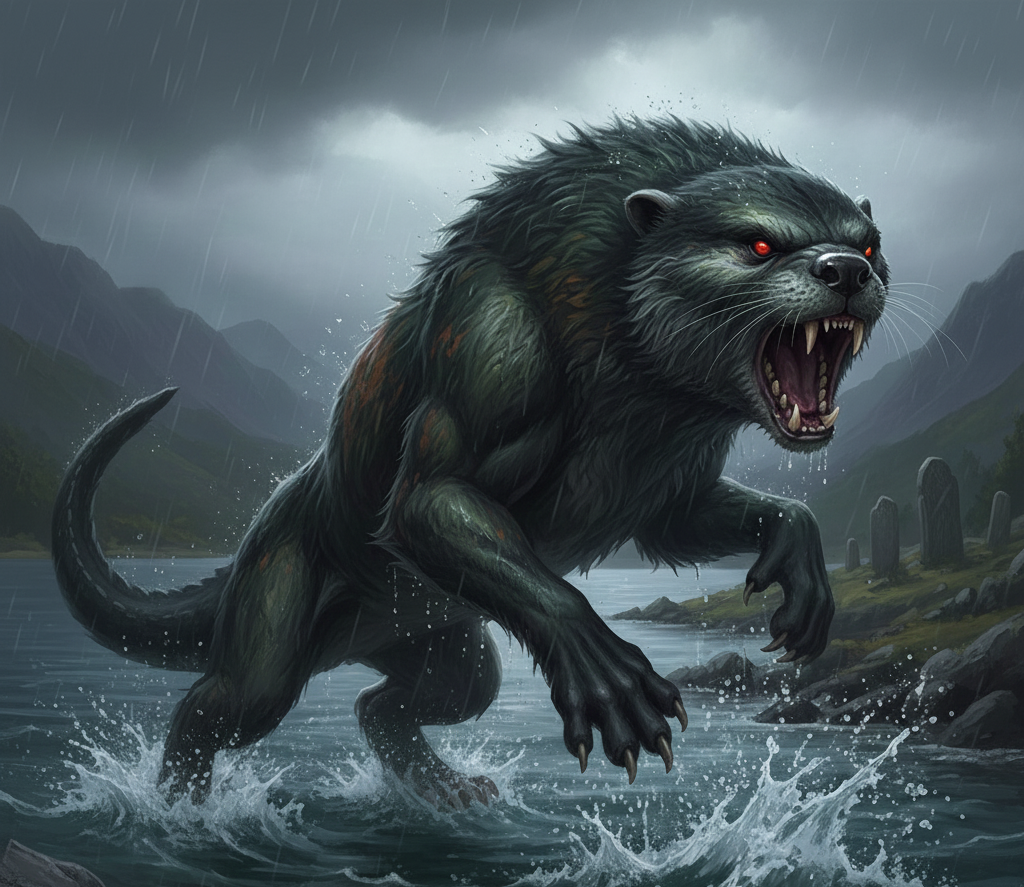
Created with Google Gemini

Púca
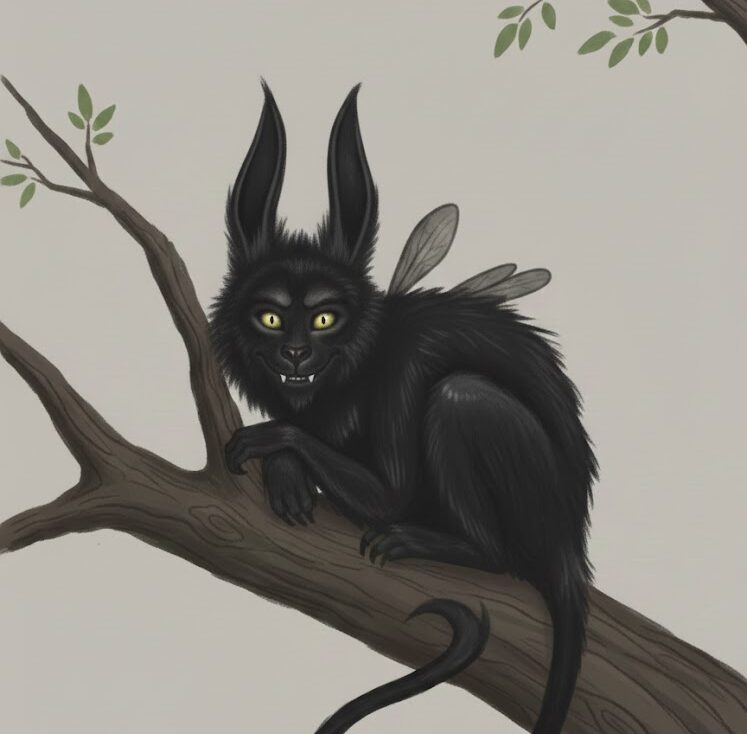
The Irish Púca is a mischievous shapeshifting spirit from Celtic folklore, often described as taking the form of a black horse with gleaming eyes, a goat with twisted horns, or even a shadowy humanoid figure. Known for its unpredictable nature, the Púca can either help or hinder those who cross its path, offering cryptic advice one moment and leading travelers astray the next. It belongs to Ireland’s rich tradition of fairy beings and is tied to rural landscapes where misty fields and winding paths create an air of mystery. Encounters with the Púca are said to test a person’s courage and wit. The creature remains a staple of Irish storytelling, symbolizing the idea that the natural world is filled with spirits that reward respect and caution.

Created with Google Gemini

Italy

Basilisco
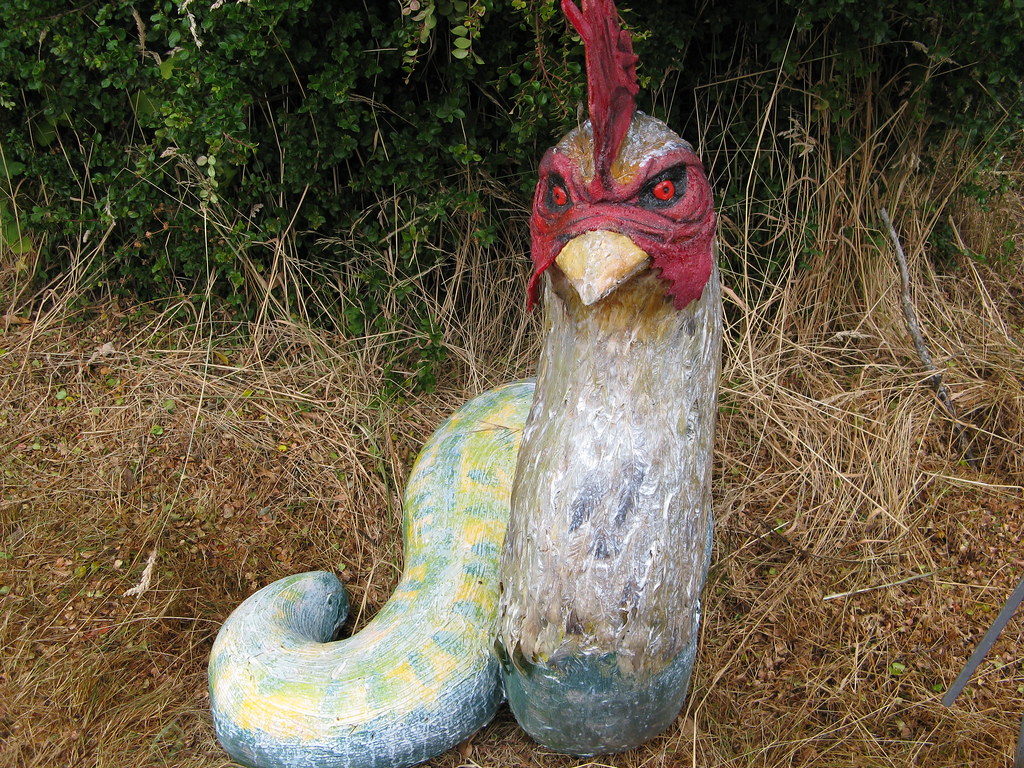
The Basilisco, rooted in Italian folklore, is often described as a terrifying creature with the body of a serpent, the head of a rooster, and a crown-like crest that gives it a regal yet deadly appearance. It is known for its lethal gaze and toxic breath, which are said to wither plants, crack stones, and kill living beings instantly. As part of Italy’s medieval bestiary traditions, the Basilisco was believed to inhabit remote ruins and deep underground passages where its presence was feared by villagers and travelers alike. Stories sometimes claim it can be born from a rooster’s egg incubated by a snake, a strange origin that has captivated imaginations across centuries.

Christian Cordova on Flikr – Basilisco

Lariosauro
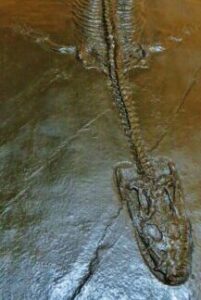
The Lariosauro is a lake monster from Italian folklore, said to inhabit Lake Como and described as a reptile-like creature with a long body, flippered limbs, and a head resembling that of an ancient marine reptile. It is known for brief but startling appearances, often reported by fishermen or boaters who claim to see it breaking the surface before disappearing into the deep. The creature is tied to local culture in northern Italy, with stories blending modern sightings and the region’s fascination with prehistoric fossils. Its name comes from Lariosaurus, a real extinct reptile once found near the lake, which adds an intriguing scientific twist to the legend.

Wikimedia Commons – Lariosauro

Japan

Kappa

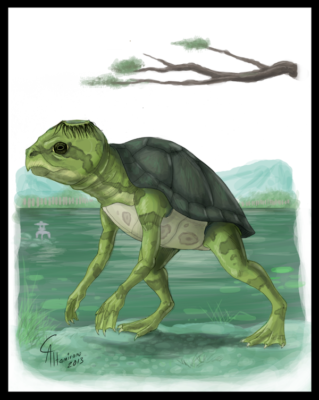
The Kappa is a well-known water spirit from Japanese folklore, often described as a small, human-like creature with green scaly skin, webbed hands, and a turtle-like shell on its back. It is known for the dish-shaped indentation on its head that holds water, since losing this water is said to weaken or even immobilize it. Deeply rooted in Japanese cultural traditions, the Kappa appears in everything from rural legends to classical literature, where it is portrayed as both mischievous and potentially dangerous. Its reputation for playing pranks, challenging people to sumo wrestling matches, or lurking in rivers has kept it a memorable figure in Japanese mythology.

CamusAltamirano on DeviantArt – Kappa

Onryō
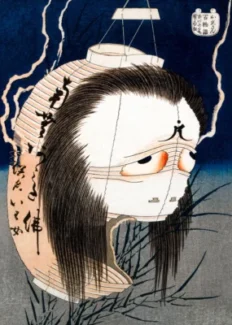
The Onryō is a vengeful spirit in Japanese folklore, typically described as a pale, ghostly figure with long black hair, white clothing, and an expression frozen by anger or sorrow. It is known for returning from the afterlife to seek revenge on those who wronged it in life, often bringing misfortune, illness, or unexplained disturbances wherever it appears. The Onryō is deeply rooted in Japanese cultural beliefs about restless spirits and unfinished business, and its stories often reflect themes of injustice and emotional suffering. Its influence can be seen throughout traditional theater and modern horror, which has helped make it one of the most famous supernatural figures in Japan.

Rawpixel – Onryō

Tengu

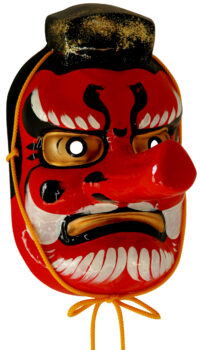
The Tengu is a prominent supernatural being in Japanese folklore, often described as a humanoid figure with bright red skin, sharp eyes, and either a long nose or the beak of a bird. It is known for its exceptional martial skill, ability to fly, and talent for creating illusions that confuse or mislead travelers in the mountains. As an important part of Japanese cultural and religious tradition, the Tengu is closely tied to forested temples and remote mountain regions where monks, woodcutters, and wanderers once claimed to encounter it. Stories of Tengu teaching swordsmanship or testing the pride of humans have helped make it one of Japan’s most recognizable mythological creatures.

Wikimedia Commons – Tengu

Kenya

Kerit/Nandi Bear
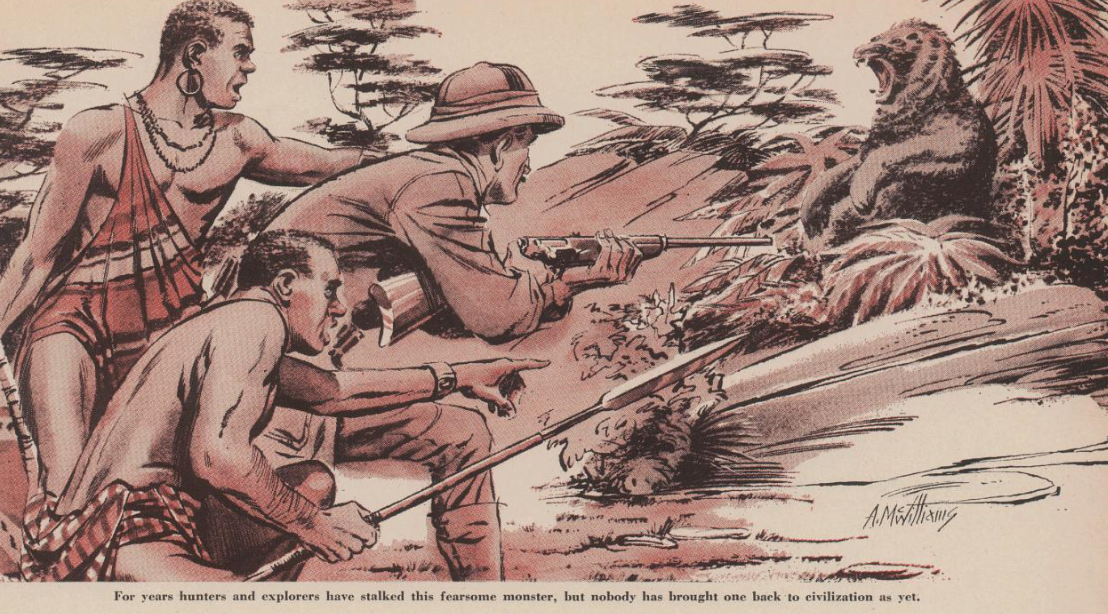
The Kerit or Nandi Bear is a mysterious creature from Kenya, often described as a large, hyena-like animal with a shaggy coat, powerful build, and frighteningly sharp claws. It is known for its aggressive behavior and is often blamed for livestock attacks and eerie nighttime screams across the region. The creature is part of East African folklore, especially among communities living near the Nandi Highlands, where stories of its strength and ferocity have been told for generations. Reports of the Nandi Bear became so widespread in the early 1900s that several European explorers mounted expeditions to find it, adding even more curiosity to its reputation.

Wikipedia – Kerit/Nandi Bear

Madagascar

Kalanoro

The Kalanoro is a cryptid from Madagascar, often described as a small, humanlike creature with reddish hair, large eyes, and long, thin limbs. It is known for being elusive and nocturnal, sometimes sneaking into villages to observe or interact with humans without being seen. In Malagasy folklore, the Kalanoro is considered a spirit or guardian of the wilderness, capable of both helping and harming people depending on how it is treated. Villagers traditionally leave offerings or show respect to avoid angering the Kalanoro, reflecting the belief that even small creatures can hold great power.
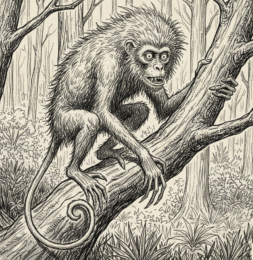
Created with Google Gemini

Mexico

Chupacabra

The Chupacabra is a notorious cryptid from Latin America, especially reported in Mexico. It is described as a small, reptile-like creature with spines along its back, glowing eyes, and sharp fangs that it uses to drain the blood of livestock, particularly goats. The Chupacabra has become a major part of modern folklore, blending eyewitness accounts with media reports and urban legends. Sightings continue to intrigue farmers and cryptid enthusiasts alike, fueling countless investigations and debates about its true nature.
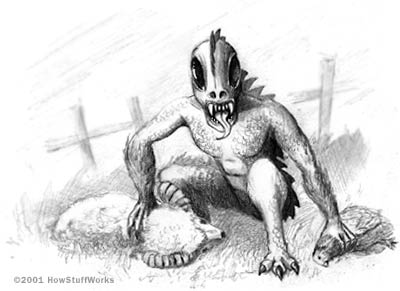
Wikipedia – Chupacabra

La Llorona

La Llorona is a haunting figure from Mexican and broader Latin American folklore, often described as a ghostly woman in white who wanders near rivers or lakes, weeping for her lost children. Witnesses say she has a pale, tear-streaked face and long dark hair, and her chilling wail can be heard at night. In Mexican culture, La Llorona is a cautionary tale used to teach children to stay away from dangerous waters and respect family ties. Her story remains one of the most enduring and widely told across the Americas, with regional variations keeping her presence alive.
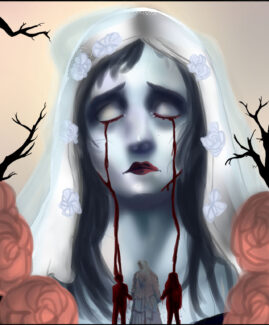
StroopDOG on DeviantArt – La Llorona

Mongolia

Mongolian Death Worm

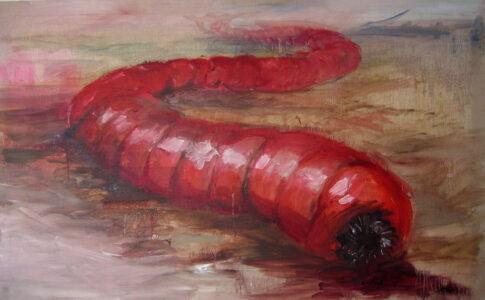
The Mongolian Death Worm is a feared cryptid said to inhabit the Gobi Desert, often described as a thick, bright red worm-like creature that can grow up to several feet long. It is known for its deadly abilities, including the rumored power to spit corrosive venom or deliver a fatal electric shock to anything that disturbs it. In Mongolian folklore, the creature is spoken of with great caution and respect, and travelers are warned to avoid areas where it is said to appear. Reports from early explorers helped spread its notoriety worldwide, turning it into one of the most famous desert cryptids.

Wikimedia Commons – Mongolian Death Worm

Morocco

Aisha Kandisha

Aisha Kandisha is a powerful supernatural figure from Moroccan folklore, often described as a tall, beautiful woman with long flowing hair and the legs of a goat. She is known for enchanting or terrifying those who encounter her, sometimes appearing near rivers or deserted paths at night. In Moroccan culture, she is viewed as both a dangerous spirit and a symbol of the unknown forces that exist beyond human understanding. Stories about Aisha Kandisha have been told for centuries, and many people still believe she can influence the behavior of anyone who crosses her path.
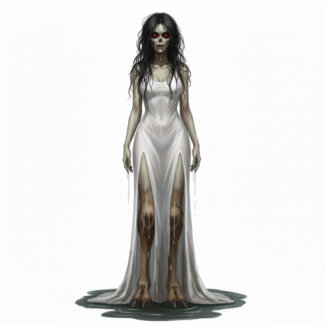
Created with Google Gemini

Nepal

Banjhakri

The Banjhakri is a mystical forest being from Nepali and Himalayan folklore, typically described as a small, wild humanoid with long hair, sharp features, and impressive agility. It is known for kidnapping children who show spiritual potential, not to harm them but to train them in shamanic practices. The creature is deeply rooted in the cultural beliefs of Nepal and nearby regions, where it is seen as a supernatural teacher connected to the natural world. Many shamans in the Himalayas attribute their power to encounters or guidance linked to the Banjhakri.
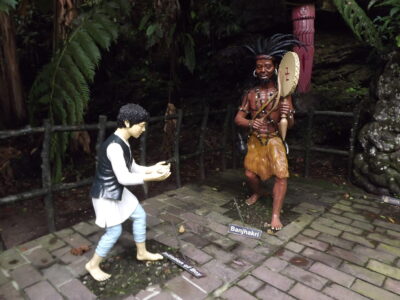
Wikimedia Commons – Banjhakri

New Zealand

Taniwha

The Taniwha is a legendary creature in Maori culture from New Zealand, often described as a large, dragonlike or serpentlike guardian living in caves, rivers, or deep waters. It is known for protecting certain tribes or locations, though some stories portray it as dangerous if disrespected. The Taniwha plays an important role in Maori tradition, serving as both a warning and a spiritual presence tied to the land and waterways. Belief in the Taniwha remains strong in many communities, influencing how certain natural areas are treated or protected.
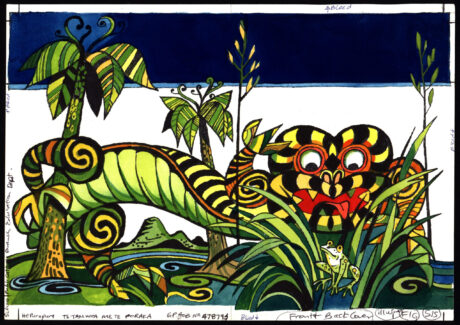
Wikimedia Commons – Taniwha

Moehau Man
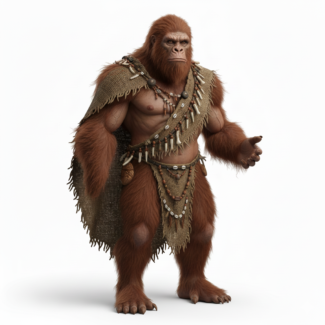
The Moehau Man is a cryptid from New Zealand, described as a large, hairy, ape-like creature (similar to Bigfoot) that roams the forests and mountains of the Coromandel Range. Witnesses say these types of cryptids around the world walk upright, leave huge footprints, and are extremely elusive, often vanishing before anyone can get close. It is part of local folklore and is sometimes compared to the Yeti or Sasquatch, though it is unique to the region. Early twentieth century sightings by miners and settlers helped turn the Moehau Man into one of New Zealand’s most talked-about wildmen.

Created with Google Gemini

Norway & Sweden & Finland

Näkki

The Näkki is a supernatural water spirit from Finnish and Scandinavian folklore, often described as a pale, humanlike figure with long hair and dark, glassy eyes that lurks beneath bridges or in deep ponds. It is known for luring people, especially children, toward the water by appearing harmless or mysterious before pulling them below. In Finnish culture, the Näkki serves as a warning about the dangers of lakes and rivers, particularly on foggy or quiet days. Parents traditionally used stories of the Näkki to teach children to stay away from risky waters.
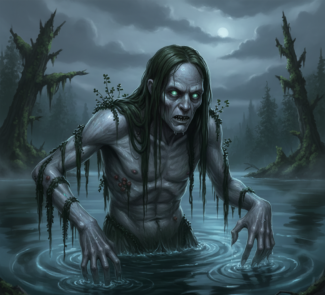
Created with Google Gemini

Huldra
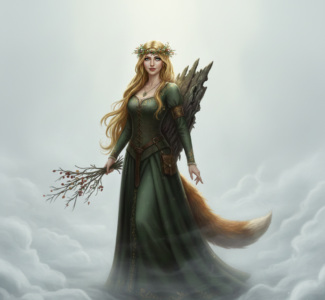
The Huldra is a forest spirit from Norwegian and Scandinavian folklore, usually described as a beautiful woman with long hair who hides a tail or hollow back that reveals her true nature. She is known for enchanting travelers, sometimes helping those who show respect and punishing those who act cruelly or arrogantly. The Huldra is deeply tied to the wilderness and reflects traditional beliefs about nature having its own guardians and rules. Encounters with her were once taken seriously in rural communities, and stories about her remain popular in Scandinavian storytelling.

Created with Google Gemini

Papua New Guinea

Ropen

The Ropen is a mysterious flying creature from Papua New Guinea, often described as a large, leathery-winged animal that glows or emits light while soaring over the jungle at night. Witnesses say it has a long tail, a pointed beak, and a wingspan that can reach several meters. In local culture, the Ropen is tied to stories of ancestral spirits and sky beings, and its eerie glow is often interpreted as a supernatural sign. Sightings continue to attract researchers and adventurers who hope to discover whether it is a living animal or something more otherworldly.
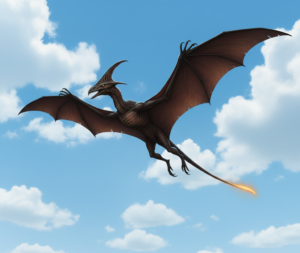
Created with Google Gemini

Peru

Tunche
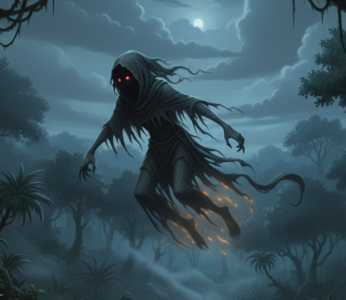
The Tunche is a supernatural being from Peruvian Amazon folklore, often described as an invisible or shadowy presence that whistles from the depths of the forest. It is known for mimicking the whistle of a human to lure people off the path, sometimes punishing those who disrespect the jungle. In Amazonian culture, the Tunche represents the spirit of the wilderness and the consequences of disturbing its harmony. Travelers in the rainforest still speak cautiously about hearing unexplained whistles in the night.

Created with Google Gemini

Yacumama

The Yacumama is a giant serpent from Amazonian folklore, especially in Peru, described as a massive water creature said to reach more than thirty meters in length. It is known for creating whirlpools, swallowing large animals, and guarding the entrances of rivers and lagoons. Indigenous groups consider the Yacumama a powerful spirit of the waterways, connected to the natural balance of the rainforest. Explorers and locals have long reported strange disturbances in remote rivers that they believe may be caused by this enormous serpent.
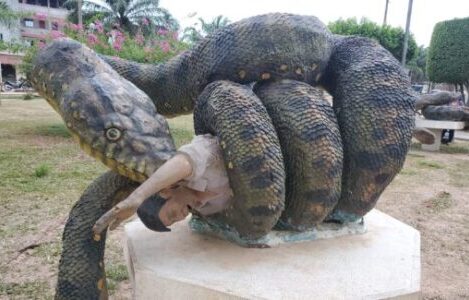
Wikimedia Commons – Yacumama

Philippines

Aswang

The Aswang is a shape-shifting creature from Filipino folklore, often described as a human by day that transforms into a monstrous form at night. It is known for its ability to fly, its long tongue for draining blood, and its frightening presence in rural communities, especially in stories involving pregnant women or newborns. Across the Philippines, the Aswang takes on different forms, including vampires, ghouls, and even were-beasts, which makes it one of the most varied supernatural beings in the region. In Filipino culture, the Aswang is deeply rooted in traditional beliefs and is often used to explain strange illnesses, disappearances, or nighttime noises, keeping its legend alive through generations.

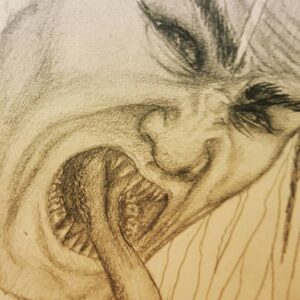
Wikipedia – Awsang

Kapre

The Kapre is a giant tree-dwelling spirit from the Philippines, often described as a tall, muscular figure covered in dark hair, usually seen sitting in the branches of large trees while smoking a thick cigar. It is known for watching travelers from above, sometimes playing tricks by making them lose their way or become confused in the forest. In Filipino folklore, the Kapre is tied to old, towering trees like balete and acacia, and is viewed as a guardian of nature that punishes those who disrespect the land. Many Filipinos believe that sudden feelings of being watched or unexplained rustling in treetops may be signs that a Kapre is nearby, which adds a mysterious atmosphere to many rural areas.
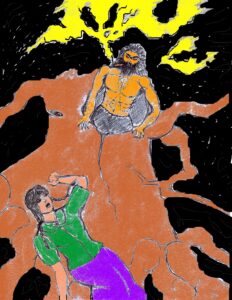
Wikimedia Commons – Kapre

Tikbalang

The Tikbalang is a creature from Filipino mythology, described as a tall, bony humanoid with the head and hooves of a horse, often towering over humans. It is known for leading travelers astray by creating illusions, shifting the path beneath their feet, or making them walk in circles deep in the forest. In Philippine culture, the Tikbalang is considered a trickster spirit connected to the mountains and dense wilderness, and it is believed that only respectful or clever travelers can pass through its territory unharmed. Traditional beliefs say that taming a Tikbalang is possible by plucking one of its golden hairs, which would make the creature loyal to the person forever, adding an unexpected twist to its otherwise mischievous nature.
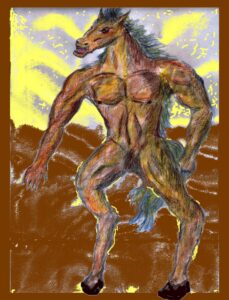
Wikimedia Commons – Tikbalang

Russia

Brosno Dragon

The Brosno Dragon is a lake monster from Russian folklore, said to inhabit Lake Brosno in the Tver region. It is described as a giant serpentine creature with a long neck, gaping jaws, and the ability to rise suddenly from the water. The creature is part of local Russian stories that date back centuries, often tied to unexplained disturbances in the lake or mysterious disappearances of animals near the shore. During World War II, rumors spread that the Brosno Dragon surfaced and scared off a group of invading soldiers, which made the creature even more famous.
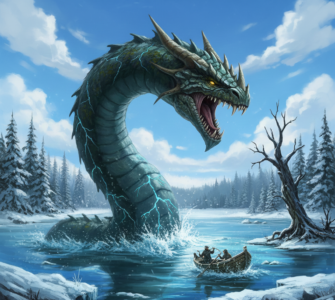
Created with Google Gemini

Saudi Arabia

Djinn

Djinn are powerful supernatural beings from Middle Eastern and Islamic folklore, often described as invisible spirits that can take many forms, including animals, humans, or swirling smoke. They are known for their ability to influence the physical world, grant requests, or cause misfortune depending on their nature and intentions. In many cultures across the Middle East, Djinn are believed to live in deserts, abandoned places, or the edges of human settlements, existing in a world parallel to our own. Stories of Djinn have been told for thousands of years, shaping religious teachings, cultural beliefs, and countless tales of magic and mystery.
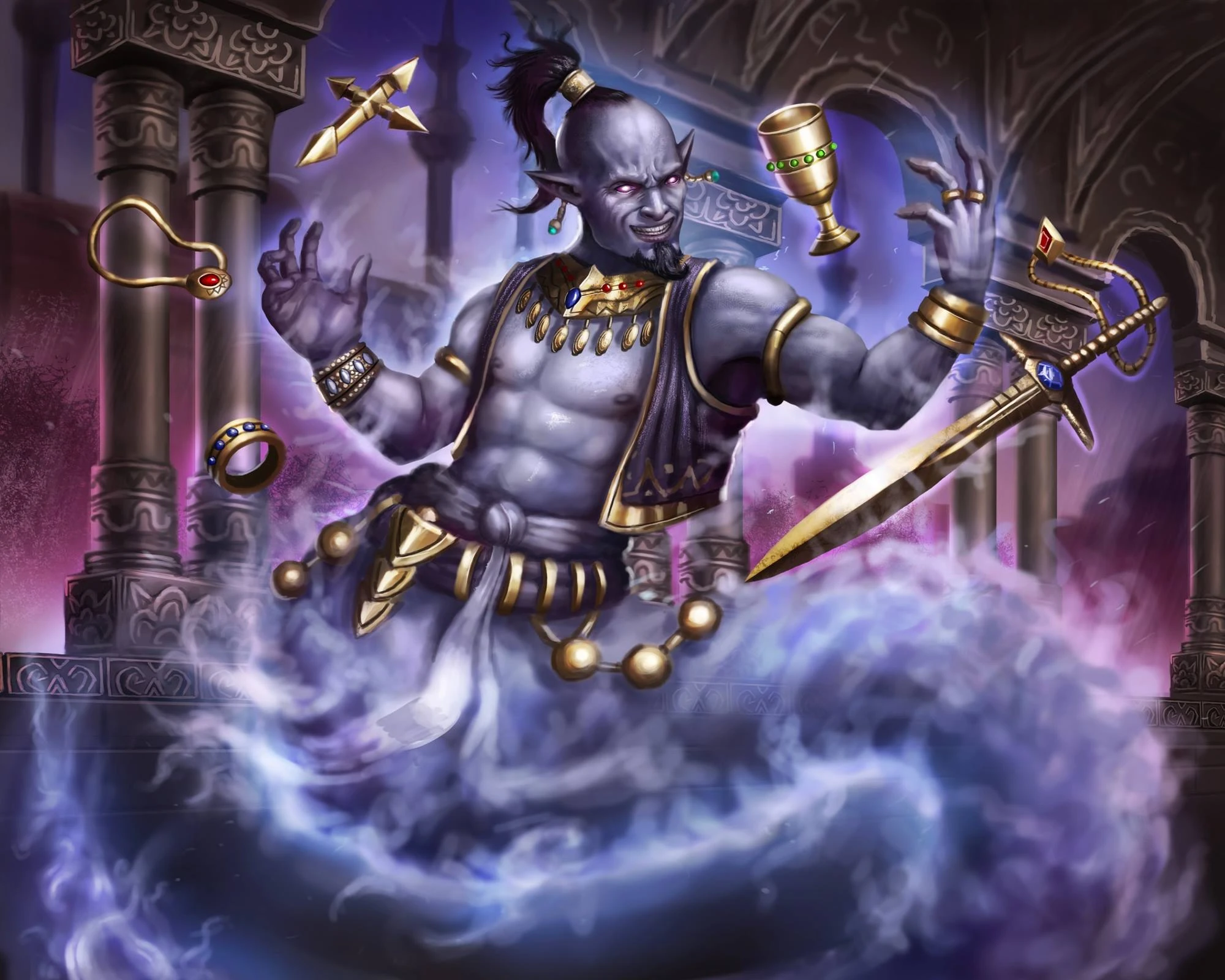
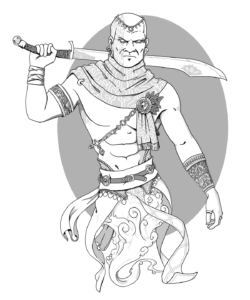
Wikimedia Commons – Djinn

Nasnas

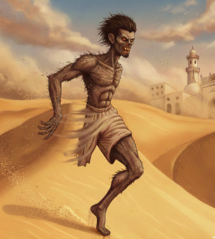
The Nasnas is a strange and unsettling creature from Arabian folklore, typically described as a half-human being with only one arm, one leg, and half a face, giving it a haunting and unbalanced appearance. It is known for its surprising speed and agility, often appearing suddenly in deserted regions and frightening travelers. In traditional stories, the Nasnas is viewed as a dangerous creature that exists on the fringes of human society, symbolizing chaos and incompleteness. Tales of the Nasnas were often shared to warn people about wandering too far into lonely or unfamiliar lands.

Created with Google Gemini

South Africa

Grootslang

The Grootslang is a legendary creature from South African folklore, often described as a massive serpent with the strength of an elephant and the cunning of a predator. It is said to inhabit deep caves and remote ravines, especially the famous Wonder Hole in the Richtersveld, where it guards treasure and attacks anyone who comes near. In local stories, the Grootslang is believed to be one of the earliest creations of powerful beings, combining traits that make it nearly impossible to defeat. Travelers have long shared tales of eerie noises, strange shadows, and disappearing animals in the region, adding to the fearsome reputation of this ancient beast.
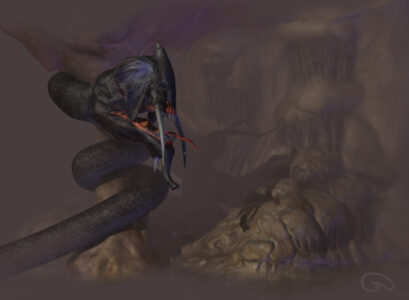
Wikimedia Commons – Grootslang

Tokoloshe

The Tokoloshe is a mischievous and sometimes dangerous spirit from Zulu and Xhosa folklore in South Africa, often described as a small, humanoid creature with shaggy hair and supernatural abilities. It is known for causing illness, misfortune, or nighttime disturbances, often slipping into homes unseen to play tricks or torment sleeping victims. In many South African communities, people elevate their beds on bricks to prevent the Tokoloshe from reaching them while they sleep, reflecting how deeply its stories are woven into daily life. Traditional healers are often called upon to ward off the Tokoloshe, and its reputation continues to inspire fear, caution, and curiosity throughout the region.

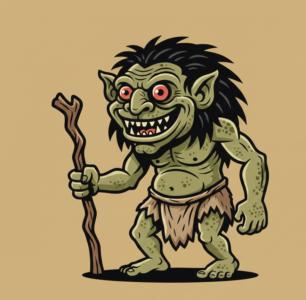
Created with Google Gemini

South Korea

Bulgasari
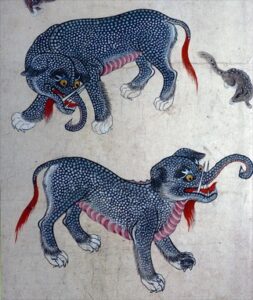
The Bulgasari is a fearsome creature from Korean folklore, often described as a massive, bear-like beast covered in dark scales with tusks, sharp claws, and an insatiable hunger. It is known for devouring anything made of metal, including weapons, armor, and even household tools, which makes it both dangerous and strangely useful in old stories. In Korean culture, the Bulgasari is often associated with themes of protection and destruction, since it can either defend communities by consuming enemy weapons or become a threat if its appetite grows uncontrollable. Its striking appearance and unusual diet have kept it popular in Korean myths, plays, and modern adaptations.

Wikipedia – Bulgasari

Spain

Basajaun

The Basajaun is a towering wildman from Spain folklore, often described as a large, humanlike figure covered head to toe in thick hair with powerful limbs and glowing eyes. It is known for living deep in the forests and mountains, where it protects wildlife, guards hidden places, and occasionally warns shepherds of approaching danger. In Basque culture, the Basajaun is viewed as both a guardian and a teacher, credited in some stories with passing on important skills such as farming and blacksmithing to early humans. Its presence remains an important part of regional mythology, symbolizing the bond between the Basque people and the rugged natural world around them.
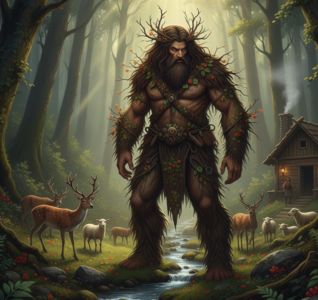
Created with Google Gemini

Drac de Banyoles

The Drac de Banyoles is a mythical creature from Catalonia, especially associated with the town of Banyoles, and is often described as a large, dragon-like beast with tough scales and a powerful, intimidating presence. It is known for living in or near Lake Banyoles, where it was said to frighten locals, disturb livestock, and cause mysterious happenings around the water. In Catalan folklore, the Drac de Banyoles represents the untamed forces of nature and the fears that early communities had about deep lakes and unknown creatures. Stories of brave figures confronting or calming the creature have been passed down through generations, keeping its tale alive in local festivals and regional legends.
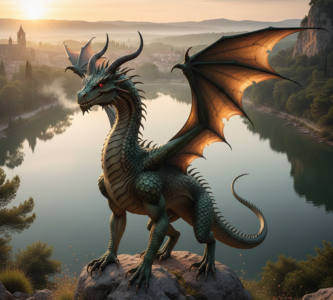
Created with Google Gemini

Thailand

Krasue

The Krasue is a terrifying spirit from Southeast Asian folklore, especially in Thailand, described as a floating female head with glowing eyes and internal organs trailing beneath it. It is known for drifting through the night in search of food, sometimes feeding on livestock, blood, or anything it can find in dark, quiet places. In Thai culture, the Krasue is often connected to tales of curses, dark magic, or tragic transformations, which help explain strange nighttime sightings or unexplained livestock injuries. Its haunting image remains one of the most recognizable figures in regional ghost stories, and it continues to appear in films and festivals about cryptids around the world.
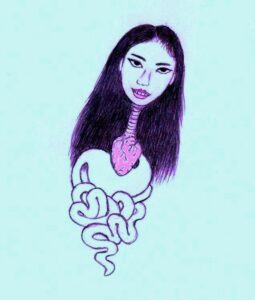
Wikimedia Commons – Krasue

United Kingdom

Loch Ness Monster

The Loch Ness Monster, often called Nessie, is a famous cryptid from the United Kingdom, described as a large aquatic creature with a long neck, dark skin, and humplike shapes that rise above the water. It is known for inhabiting the deep and murky waters of Loch Ness, where sightings have been reported for more than a century. In Scottish culture, Nessie has become a symbol of mystery and the possibility that unknown creatures may still exist in hidden places. Countless expeditions, photographs, and sonar readings have been collected over the years, keeping interest in Nessie alive around the world.
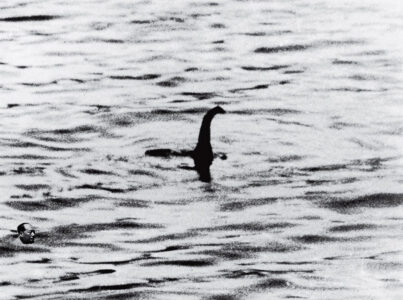
Steve Pike on Flikr – Loch Ness Monster

Nuckelavee

The Nuckelavee is a terrifying creature from Orcadian folklore in Scotland, often described as a skinless horse-like monster with exposed muscles and a grotesque rider fused to its back. It is known for bringing disease, drought, and destruction wherever it appears, and its stench is said to be unbearable even from a distance. In island culture, the Nuckelavee represents the harshness of the sea and the dangers of crossing the natural world during stormy seasons. According to tradition, the only thing that can stop it is freshwater, which makes streams and lakes the safest escape routes for anyone who encounters it.
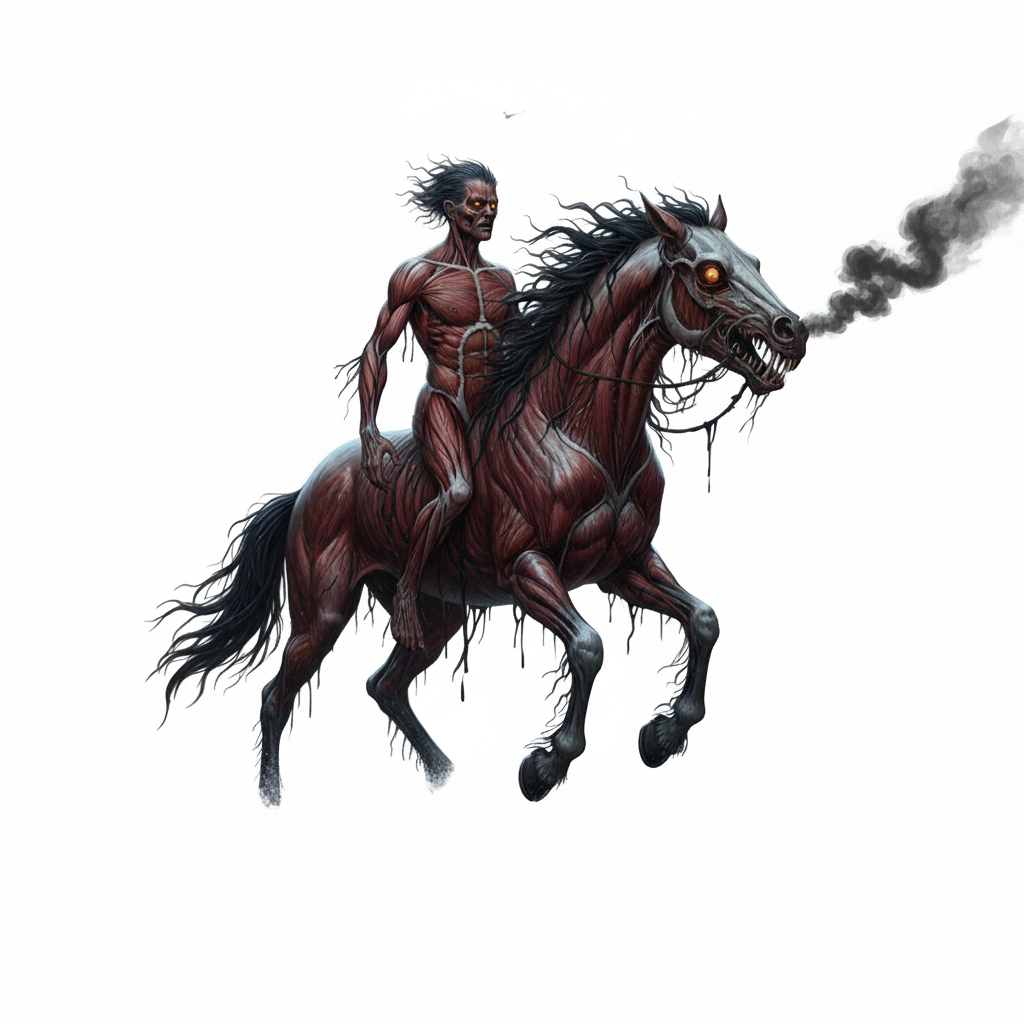
Created with Google Gemini

Selkies

Selkies are enchanting beings from European folklore, described as seals that can shed their skins to transform into beautiful humans on land. They are known for their gentle nature and for forming romantic connections with humans, though their stories often end in sadness when the selkie must return to the sea. In coastal cultures, selkies symbolize the connection between people and the ocean, reflecting themes of love, loss, and longing. Their tales continue to inspire songs, literature, and films, making them some of the most beloved beings in mythology.
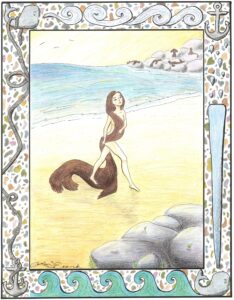
Wikimedia Commons – Selkie

United States

Jersey Devil

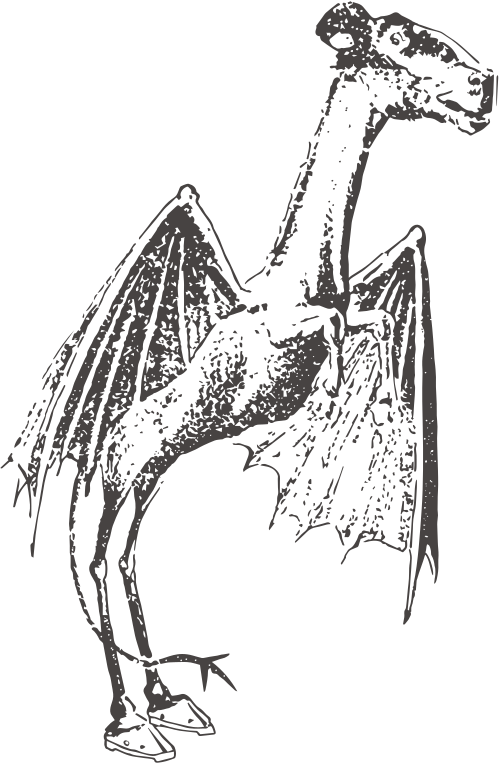
The Jersey Devil is a legendary creature said to haunt the remote Pine Barrens of New Jersey. Described as a tall, gaunt figure with bat-like wings, a goat’s or horse-like head, hooved feet, and a piercing, shrill cry, it has become one of America’s most enduring regional mysteries. According to folklore, it was the cursed thirteenth child of a woman known as Mother Leeds, transformed into a monstrous being moments after birth. Over the centuries, the Jersey Devil has been blamed for eerie noises, mysterious livestock deaths, and strange tracks found in the snow. Sightings surged in the early 1900s, causing widespread panic.
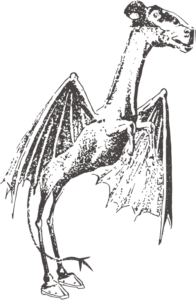
Wikipedia – Jersey Devil
Mothman

The Mothman is a winged humanoid cryptid associated with strange sightings around Point Pleasant, West Virginia, during the mid-1960s. Witnesses describe it as a tall, silent figure with glowing red eyes, a 10–15 foot wingspan, and a habit of appearing suddenly before soaring straight into the sky. Mothman sightings culminated in the tragic collapse of the Silver Bridge in 1967, after which many believed the creature to be an omen, not of harm, but of impending disaster. The cryptid has since become a symbol of mystery, fear, and warning, inspiring books, movies, and an annual festival. Whether considered an alien, a supernatural being, or an unknown species, Mothman stands as one of America’s most iconic urban legends.
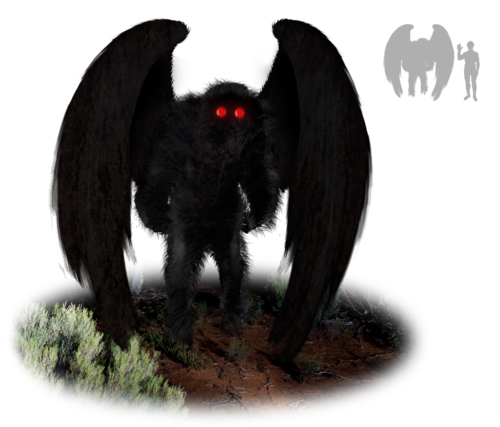
Wikipedia – Mothman

Thunderbird

The Thunderbird is a colossal bird-like creature rooted in Native American legend and preserved in modern cryptid sightings across North America. Described as having a wingspan large enough to blot out the sun, this creature is said to ride the winds of storms, creating thunder with the beating of its wings and lightning flashing from its eyes. Modern reports often compare the Thunderbird to a massive condor or even a surviving pterosaur, with sightings of gigantic dark birds swooping low over rural areas. In Indigenous traditions, Thunderbirds are powerful spiritual beings associated with protection, natural balance, and the fierce energy of the skies. Whether mythic guardian or elusive megafauna, the Thunderbird remains an awe-inspiring figure in American folklore.
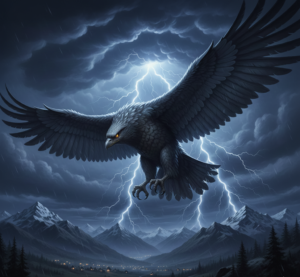
Created with Google Gemini

Zimbabwe

Kongamato

The Kongamato is a winged cryptid from Zimbabwe often described as a large, reddish flying creature that resembles a prehistoric pterosaur. Witnesses claim it has leathery wings, a long tooth-filled beak, and a wingspan wide enough to cast a shadow over the water as it glides past. It is known for lurking near swamps and rivers, where it is said to attack boats or travelers who wander too close to its territory. In local folklore, the Kongamato serves as a reminder of the hidden dangers of the wilderness and the spirits believed to protect it. Early reports from explorers, miners, and missionaries added to its mystery, fueling speculation about whether an unknown species could still be hiding in the remote wetlands of Central Africa.
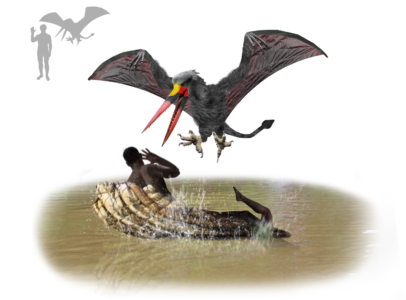
Kongamato

Wikipedia – Kongamato

Why Do People Believe in Cryptids?

People believe in cryptids around the world for many reasons, and a lot of it comes from curiosity and excitement. Some people enjoy the mystery of creatures that might exist but haven’t been proven by science yet. Others grow up hearing stories from their families or communities, which makes the creatures feel real to them. Sometimes people think they’ve seen or heard something strange, and cryptids help them explain it. Overall, believing in cryptids gives people a fun way to explore the unknown and use their imagination.